
AI for Learning: Upskilling the Modern Workforce
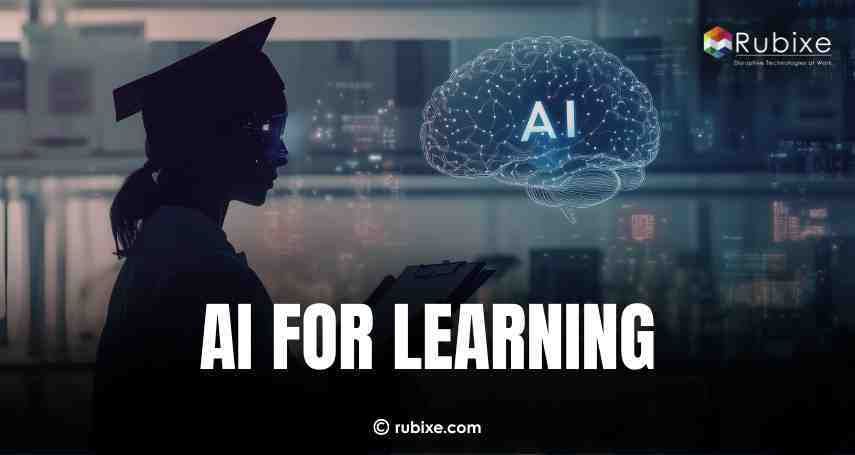
AI for Learning helps businesses with workforce upskilling, personalized training, adaptive learning solutions, and corporate development for employees.
Did you know that 70% of employees feel they lack the skills needed to succeed at work?
Modern businesses are turning to AI for Learning and AI-powered training to bridge this gap and ensure their teams stay productive and competitive.
Here, AI for Learning plays a key role. It helps employees learn the right skills at the right time, in a way that fits their speed and requirements. For businesses, it means building a stronger, more skilled workforce while saving time and resources.
What Is AI-Based Learning?
AI-based learning is a smart way of training employees using artificial intelligence. It studies how people learn, what they understand well, and where they need help. Based on this data, it creates adaptive learning solutions and personalized learning paths for each employee.
In simple words, AI for Learning acts like a personal coach. It guides employees step by step, suggests lessons they need, and helps them improve their skills faster. Companies can even integrate elements of an AI internship into the learning program, allowing employees or interns to gain practical, hands-on experience while learning new skills. This makes learning more effective, flexible, and relevant for the modern workforce, while improving outcomes from corporate training with AI.
How AI Improves Skill Development
Artificial intelligence uses data to enhance learning quality. It looks at employee performance, job roles, and learning behavior.
Expert-designed systems help in many ways:
-
Personalized learning paths
-
Smart assessments
-
Skill-based recommendations
With AI for Learning, beginners receive basic training, while experienced employees get advanced content. This expert approach supports workforce upskilling and helps employees build skills faster and with more confidence.
Key Benefits of AI-Based Workforce Upskilling
Businesses gain many advantages when they adopt AI-powered training systems. Here are the main benefits:
-
Faster Learning: Employees focus only on the skills they need most. This reduces time spent on unnecessary training and helps them become productive faster through adaptive learning solutions.
-
Better Engagement: Personalized learning content keeps employees interested and motivated. When training matches their role and goals, learners are more likely to complete courses successfully, benefiting from personalized learning for employees.
-
Cost Savings: AI-driven learning reduces the need for repeated sessions and external trainers. Companies can save money while still providing effective corporate training with AI.
-
Improved Performance: Employees can immediately apply the skills they learn to their daily work. This improves overall productivity and helps teams achieve better results.
-
Data-Based Decisions: HR and L&D teams can track learning progress and performance easily. Insights from AI help plan future training and close skill gaps efficiently, supporting effective workforce upskilling.
How to Implement AI for Learning
Implementing AI for Learning in an organization requires a clear plan. Here are key steps businesses can follow:
-
Identify Skill Gaps: Analyze your workforce to find which skills are lacking. Use employee performance data, feedback, and business goals to prioritize training areas. AI platforms work best when focused on the skills that matter.
-
Choose the Right AI Learning Platform: Select a platform that fits your company's size, industry, and learning goals. Look for features like personalized learning for employees, adaptive assessments, analytics dashboards, and multi-format content (videos, quizzes, simulations).
-
Start with a Pilot Program: Test the AI learning system with one team or department. This allows you to measure results, identify issues, and fine-tune the system before scaling.
-
Provide Support and Training: Ensure employees know how to use the AI-powered training platform. Provide guides, tutorials, or short sessions to help them get started. Encourage managers to support their teams throughout the learning process.
-
Monitor and Measure Results: Track learning progress, course completion, skill improvements, and employee feedback. Use AI analytics to make data-driven decisions and continuously improve the learning program.
-
Scale and Evolve: Once the pilot is successful, gradually expand the program across the organization. Update learning content regularly to match new skills, technologies, and business priorities.
Why Employees Trust AI-Based Learning
Trust is very important in learning systems. Employees must believe that training will help them grow.
AI for Learning platforms builds trust by offering:
-
Clear progress tracking
-
Honest feedback
-
Fair assessments
With AI for Learning, employees understand their learning journey. They know what skills they are gaining and why it matters. This builds confidence and supports long-term learning through personalized learning for employees.
AI for Learning Features vs Benefits
|
AI for Learning Feature |
How It Helps Employees |
Benefit for Businesses |
|
Personalized Learning Paths |
Employees learn only what they need |
Faster skill acquisition and better engagement |
|
Adaptive Assessments |
Tests adjust to skill level |
Identifies skill gaps accurately |
|
Real-Time Progress Tracking |
Employees see their improvement |
HR can make data-driven decisions |
|
Multi-Format Content (Video, Quiz, Simulation) |
Suits different learning styles |
Higher course completion rates |
|
Career Path Recommendations |
Suggests the next skills to learn |
Prepares workforce for future roles |
Challenges of AI-Based Learning and Solutions

While AI for Learning brings many benefits, organizations must address some challenges:
-
Data Privacy Concerns: AI systems collect and analyze employee data to personalize learning.
Implement strong security measures and clear data policies. Ensure employees know their data is safe and used only for learning purposes.
-
Initial Setup Cost: Setting up AI-powered learning platforms can be expensive. Start with a pilot program for one team, measure results, and scale gradually.
-
Digital Skill Readiness: Some employees may not be familiar with digital platforms. Provide simple guides and short digital training sessions. Keep interfaces user-friendly.
-
Resistance to Change: Employees or managers may prefer traditional training. Communicate the benefits clearly and show real examples of improved outcomes. Integrating AI staffing solutions can help match the right training programs to the right employees, while encouraging a culture of continuous learning.
With proper planning, these challenges can be overcome, allowing organizations to fully benefit from AI for Learning, AI-powered training, and adaptive learning solutions.
The Future of Workforce Learning
The future of learning is flexible and skill-focused. Companies will move away from fixed programs, and learning will become continuous and personalized.
AI-powered systems will:
-
Predict future skill needs
-
Support career growth
-
Improve employee retention
AI for Learning will play a key role in building future-ready teams, enabling workforce upskilling, personalized learning for employees, and corporate training with AI that meets modern business demands.
Investing in AI for Learning can transform your workforce into a skilled, agile team ready for future challenges. Start today by exploring AI-powered training solutions that fit your business goals.