




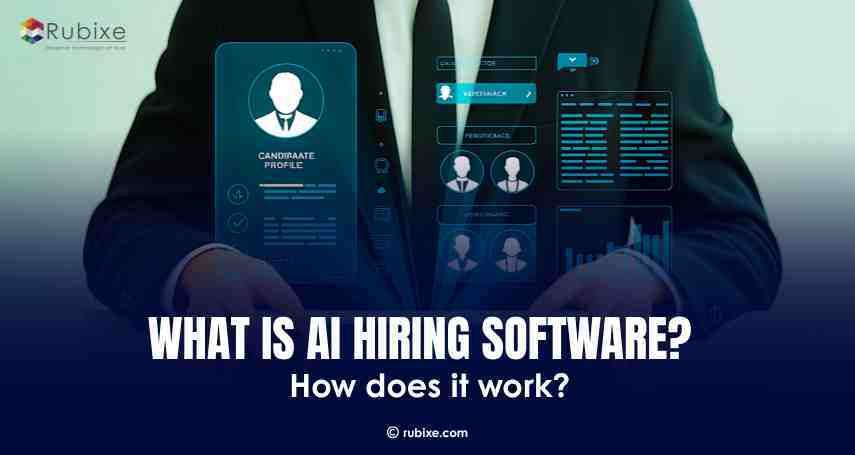
What is AI Hiring Software? How Does It Work?
Understand what AI hiring software is, how it works in recruitment, and how businesses use AI tools to screen resumes, match candidates, and support hiring.
Hiring the right people is one of the most important tasks for any business. Every company wants skilled employees who can help the organization grow. But the hiring process is not always easy. Recruiters often receive hundreds of job applications for one position. Reading every resume, checking skills, and shortlisting candidates can take many hours or even days.
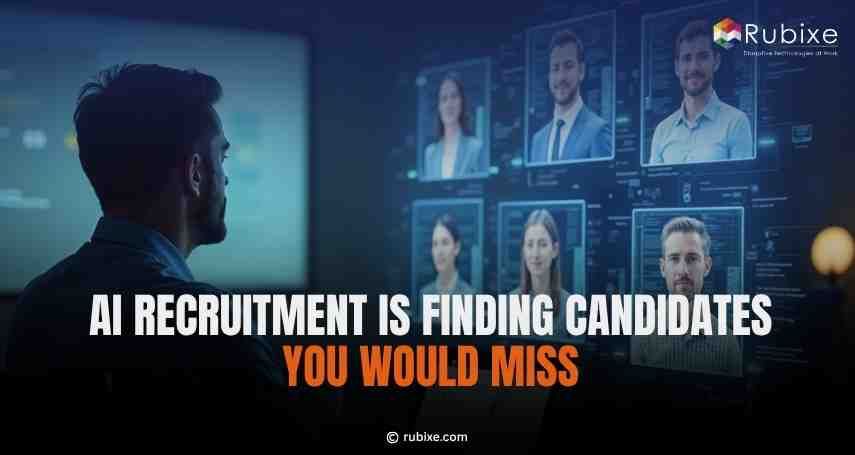
Because of this challenge, many companies are now using AI-powered hiring tools to support their recruitment process. This technology helps recruiters manage applications, review candidate profiles, and find suitable employees faster.
These recruitment tools do not replace recruiters. Instead, they help them save time and make better decisions by using data and automation.
What is AI Hiring Software?
AI hiring software is a tool that uses artificial intelligence to support the hiring process. It helps companies manage tasks such as reviewing resumes, identifying qualified candidates, scheduling interviews, and evaluating applicant information.
Instead of manually checking every job application, the system analyzes candidate data and compares it with the job requirements. This helps recruiters quickly find candidates who match the role.
The main goal of this recruitment technology is to make hiring faster, more organized, and easier to manage.
Many businesses today receive large numbers of applications through online job portals. AI-based systems help them sort and evaluate these applications in a structured way.
Why Traditional Hiring Can Be Difficult
Before understanding how AI-based hiring works, it is helpful to look at the problems many companies face in traditional recruitment.
Recruiters often spend a lot of time doing repetitive tasks. These tasks include reading resumes, checking qualifications, sending emails, and scheduling interviews.
Some common challenges in traditional hiring include:
1. Large Number of Applications
When a company posts a job opening, many candidates apply. Recruiters may receive hundreds or even thousands of resumes. Reviewing each one manually can take a long time.
2. Time Consuming Screening Process
Recruiters must carefully read resumes to check if the candidate has the required skills and experience. This process can delay the hiring timeline.
3. Difficulty in Finding the Right Candidates
Sometimes, the best candidates may not appear obvious from the resume alone. Recruiters need tools that help them identify relevant skills quickly.
4. Administrative Work
Recruiters often spend time sending emails, scheduling interviews, and managing candidate data. These tasks reduce the time available for evaluating candidates.
AI recruitment tools help solve many of these problems by automating parts of the recruitment process.
Why Businesses Use AI Hiring Software
Many companies are now using AI hiring platforms because they improve efficiency and reduce manual work. These tools help recruiters focus more on decision-making rather than administrative tasks.
Some important reasons businesses use intelligent hiring platforms include:
1. Faster Candidate Screening: AI tools can analyze resumes in seconds. This allows recruiters to quickly identify suitable candidates.
2. Better Organization: The system stores candidate information in a structured format. Recruiters can easily search, filter, and compare applicants.
3. Time Savings: Automation reduces repetitive tasks such as resume review and interview scheduling.
4. Data-Based Decisions: AI systems analyze candidate information using patterns and data. This can help recruiters make more informed hiring decisions.
5. Managing Large Recruitment Campaigns: For companies hiring across multiple roles or locations, AI recruitment systems help manage large numbers of applications more effectively.
How AI Hiring Software Works
This hiring technology works by analyzing candidate information and comparing it with job requirements. The system uses algorithms and data models to understand skills, experience, and qualifications.
Let us look at the main steps in how these hiring systems work.
1. Resume Collection and Data Extraction
The first step is collecting job applications. Candidates usually apply through job portals, company websites, or recruitment platforms.
The system collects these resumes and extracts important information such as:
-
Candidate name
-
Education
-
Skills
-
Work experience
-
Certifications
-
Technical knowledge
This process is often called resume parsing. It helps convert unstructured resume information into organized data.
Once the data is structured, the platform can analyze it more easily.
2. Resume Screening
After collecting candidate data, the system begins the screening process. The AI system compares candidate profiles with the job description. It looks for keywords and qualifications that match the role.
For example, if a job requires:
-
Python programming
-
Data analysis experience
-
3+ years of work experience
The system will search resumes for these details. Candidates who meet these requirements may be shortlisted for the next stage. This helps recruiters avoid reading every resume manually.
3. Candidate Matching
AI hiring platforms also perform candidate matching. In this step, the system compares candidate profiles with available job roles. It looks for patterns that show whether a candidate may be suitable for a position.
The system considers several factors, such as:
-
Skill match
-
Job experience
-
Industry background
-
Educational qualifications
Candidates who closely match the job requirements may be recommended to recruiters.
This helps companies identify suitable applicants quickly.
4. Candidate Ranking
Many AI recruitment platforms provide a ranking system. The system assigns scores to candidates based on how well they match the job description. Candidates with higher scores may appear at the top of the recruiter’s list. Recruiters can then review these candidates first.
Ranking helps recruiters manage large numbers of applications without feeling overwhelmed.
5. Interview Scheduling
Scheduling interviews is another time-consuming task in recruitment.
AI recruitment systems can automate this process. The platform checks the availability of recruiters and candidates and schedules interviews automatically.
It may also send:
-
Interview invitations
-
Reminder notifications
-
Calendar updates
This reduces back-and-forth communication between recruiters and candidates.
bilities before the interview stage.
This step makes the hiring process more structured.
6. Recruitment Analytics
AI hiring platforms also provide data insights.
Recruiters can track metrics such as:
-
Number of applications received
-
Candidate conversion rates
-
Time required to hire
-
Candidate sources
These insights help companies improve their recruitment strategies.
For example, if most successful candidates come from a specific job portal, recruiters can focus more on that platform.
Key Features of AI Hiring Software
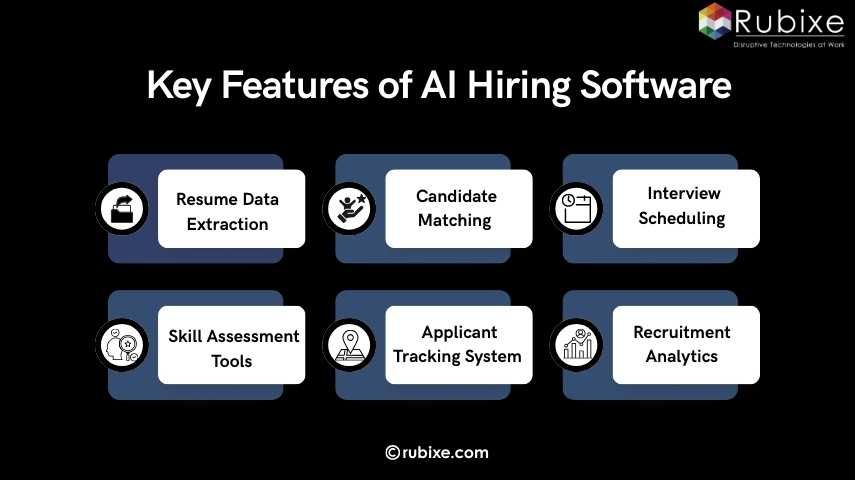 Most intelligent recruitment tools provide a range of features designed to simplify hiring tasks.
Some common features include:
1. Resume Data Extraction: Automatically extracts candidate information from resumes.
2. Candidate Matching: Identifies candidates who match job requirements.
3. Interview Scheduling: Automates the process of setting interview times.
4. Skill Assessment Tools: Evaluates candidate knowledge and abilities.
5. Applicant Tracking System (ATS): Helps recruiters track the status of candidates through the hiring process.
6. Recruitment Analytics: Provides reports and insights for better decision-making.
These features help companies manage hiring activities more efficiently.
Benefits of AI Hiring Software
AI-based hiring tools provide several benefits for organizations.
1. Faster Hiring Process
Automation reduces the time required to review applications and shortlist candidates.
2. Improved Candidate Screening
AI systems help identify relevant skills quickly.
3. Better Organization
Recruiters can manage candidate information in a structured system.
4. Reduced Manual Work
Automation handles repetitive tasks such as resume review and interview scheduling.
5. Improved Hiring Efficiency
Recruiters can focus on evaluating candidates rather than on administrative work.
These benefits make intelligent recruitment tools useful for organizations of different sizes.
Challenges of AI Hiring Software
While AI recruitment technology offers many advantages, it also has some challenges.
-
Risk of Over-Automation
Relying too much on automation may cause recruiters to miss candidates with unique skills or unconventional backgrounds.
-
Data Quality Issues
AI systems depend on accurate data. If resumes contain incomplete information, the system may not evaluate candidates correctly.
-
Algorithm Bias
If the training data used by AI systems contains bias, the software may produce unfair results.
Because of these challenges, companies should always combine AI tools with human review.
Recruiters still play an important role in making final hiring decisions.
How Companies Use AI Hiring Software in Real Situations
Many organizations use AI-based recruitment platforms in different ways.
For example:
An AI development company may use AI tools to screen thousands of developer resumes during campus recruitment.
A retail company hiring seasonal workers may use recruitment automation tools to quickly filter applicants based on availability and location.
A large enterprise may use AI hiring platforms to manage recruitment across multiple departments.
In each case, the goal is the same: make the hiring process faster and more organized.
AI-based recruitment tools are becoming an important part of modern hiring processes. They help companies manage job applications, screen resumes, match candidates with roles, and organize interviews.
By automating repetitive tasks, these systems allow recruiters to focus more on evaluating candidates and making hiring decisions. This improves the efficiency of the recruitment process.
However, these tools work best when they support human recruiters rather than replacing them. Technology can help analyze data and identify patterns, but human judgment is still essential for selecting the right candidate.
As recruitment needs continue to grow, many organizations are exploring AI-driven hiring platforms to create a more structured and efficient recruitment process.