











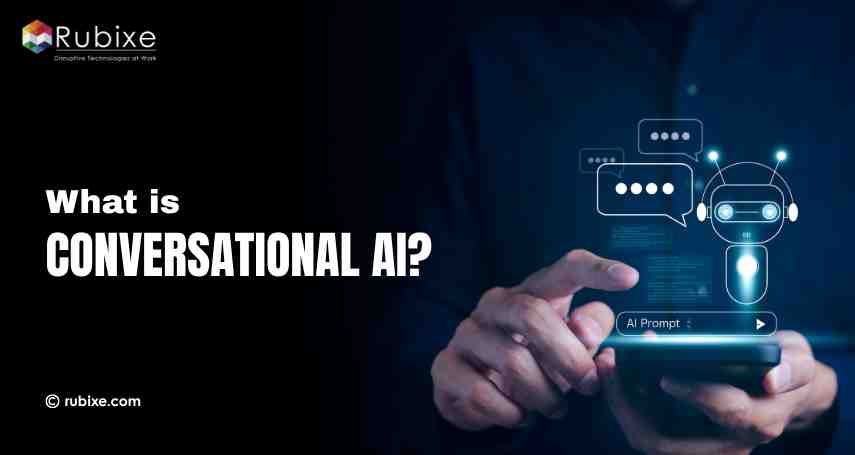
What is Conversational AI?
Understand what conversational AI is, how it works, and how businesses use chatbots and virtual assistants to automate communication and improve engagement.
What if your business could respond to every customer instantly, understand their intent accurately, and guide them toward the right solution, without increasing operational costs?
That is the power of Conversational AI.
From intelligent virtual assistants to advanced AI chatbot systems, organizations are using conversational technology to automate support, qualify leads, and deliver real-time engagement across digital platforms.
Let’s learn how Conversational AI works, where it delivers measurable value, and how to determine whether it aligns with your business goals.
What Is Conversational AI and How Does It Work?
Conversational AI refers to technologies that enable computers to simulate human conversation using text or voice. It combines several artificial intelligence disciplines, including:
-
Natural Language Processing (NLP)
-
Natural Language Understanding (NLU)
-
Machine Learning (ML)
-
Deep Learning
-
Speech recognition (for voice-based systems)
Key Components of Conversational AI
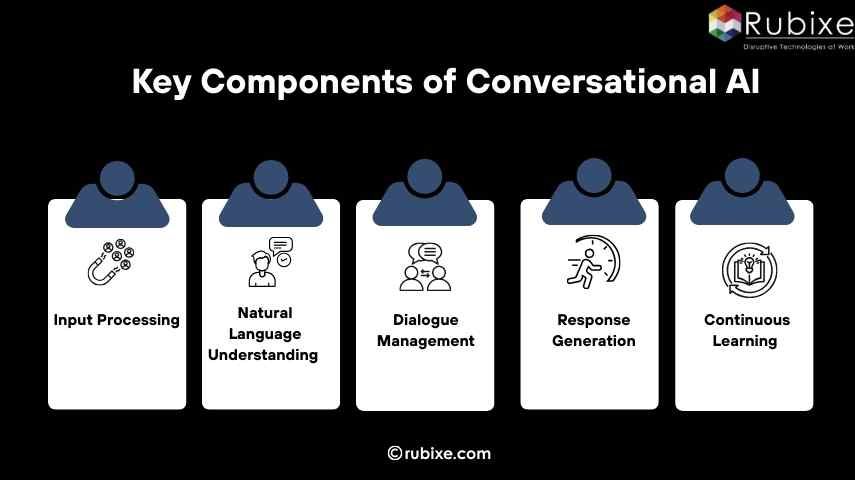
To understand how it functions, it helps to break down its architecture:
1. Input Processing
The system receives user input through text or voice. Voice-based systems convert speech into text using automatic speech recognition.
2. Natural Language Understanding (NLU)
NLU interprets the intent behind a user’s message. For example, when a user types “Track my order,” the system identifies the intent as order tracking.
3. Dialogue Management
The system determines how to respond based on context, previous messages, and predefined workflows.
4. Response Generation
The platform generates a relevant reply. This may be rule-based, retrieval-based, or model-driven.
5. Continuous Learning
Machine learning models improve over time by analyzing interactions and refining intent recognition and response accuracy.
An AI chatbot is one of the most common applications of Conversational AI. While traditional chatbots follow scripted flows, modern conversational systems interpret context, learn from patterns, and manage more complex queries.
Organizations integrating advanced Ai chatbots solutions into their digital platforms often rely on specialized AI services to ensure accurate intent mapping, smooth integration, and scalability.
Key Benefits of Conversational AI
Businesses across industries implement Conversational AI to improve operational efficiency and customer experience. The advantages extend beyond simple automation.
1. 24/7 Customer Support
Conversational systems operate continuously, handling inquiries outside business hours without delay. This increases customer satisfaction and reduces dependency on large support teams.
2. Faster Response Times
Instant replies improve user experience and reduce abandonment rates in eCommerce and service-based industries.
3. Scalability
During peak demand periods, conversational systems manage high volumes of interactions simultaneously without compromising response speed.
4. Cost Efficiency
Automating repetitive inquiries reduces operational costs while allowing human agents to focus on complex issues.
5. Data-Driven Insights
Every interaction generates valuable data about customer behavior, preferences, and recurring issues. Businesses use this data to refine products, services, and communication strategies.
6. Personalized and Localized Experiences
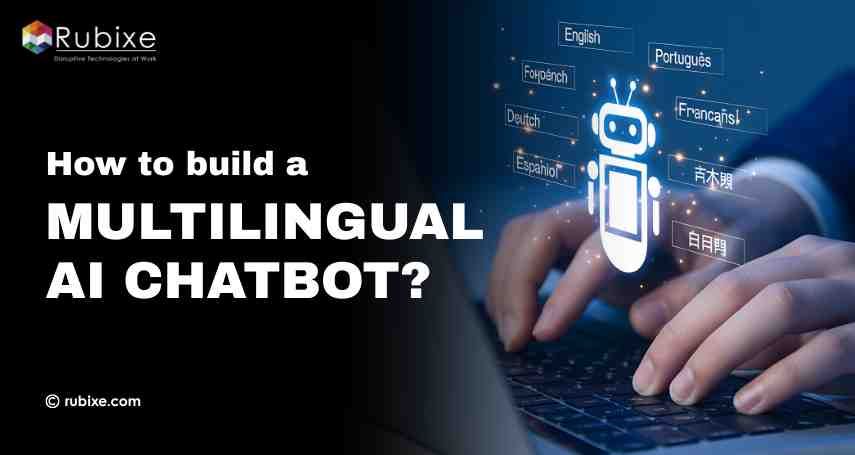
By integrating with CRM systems and behavioral data, Conversational AI delivers tailored responses and product recommendations. Multilingual AI chatbots strengthen personalization further by adapting tone, cultural nuances, and messaging according to the user’s language and location.
Enterprises implementing enterprise-grade conversational solutions often seek structured ai consulting to design scalable frameworks aligned with business objectives.
Use Cases of Conversational AI Across Industries
Conversational AI supports diverse operational needs. Below are high-impact use cases across sectors:
1. Customer Support Automation
Businesses deploy conversational systems to:
-
Resolve frequently asked questions
-
Manage account-related queries
-
Provide shipping updates
-
Handle service troubleshooting
An advanced AI chatbot can escalate complex issues to human agents while retaining conversation history.
2. eCommerce Assistance
Online retailers use Conversational AI to:
-
Recommend products
-
Provide order tracking
-
Assist with returns
-
Offer personalized promotions
This improves conversion rates and customer retention.
3. Banking and Financial Services
Financial institutions use conversational platforms for:
-
Balance inquiries
-
Loan eligibility checks
-
Transaction alerts
-
Fraud detection notifications
Security, compliance, and data encryption remain critical components in this sector.
4. Healthcare Support
Healthcare providers use conversational AI to:
-
Schedule appointments
-
Share test updates
-
Provide symptom guidance
-
Offer medication reminders
These systems support administrative efficiency while reducing patient wait times.
5. HR and Employee Support
Organizations implement internal conversational systems for:
-
Policy queries
-
Leave management
-
Payroll information
-
IT helpdesk requests
This enhances employee experience and reduces administrative workload.
6. Lead Qualification and Sales Enablement
Conversational AI assists marketing and sales teams by:
-
Capturing leads
-
Asking qualification questions
-
Scheduling demos
-
Routing inquiries to sales representatives
Integrated AI chatbots improve response time and reduce lead drop-offs.
Types of Conversational AI Systems
Understanding the different types of conversational systems helps businesses select the appropriate solution.
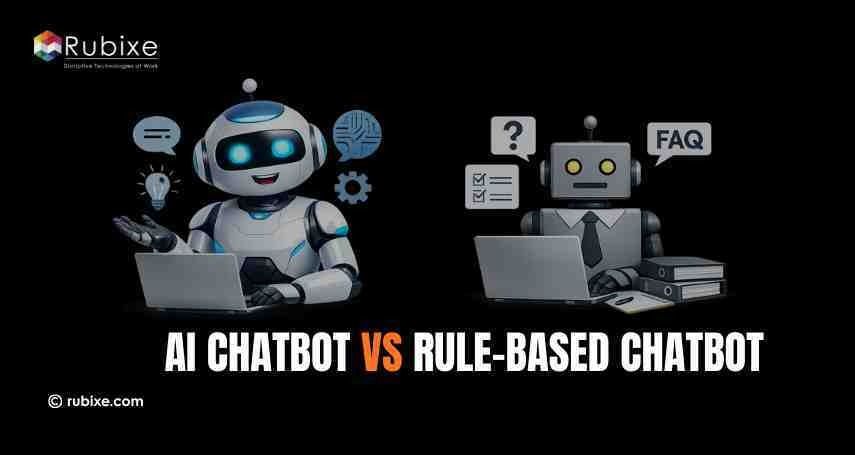
1. Rule-Based Chatbots
These systems follow predefined scripts and decision trees. They are suitable for simple, repetitive queries but have limited contextual understanding.
2. AI-Powered Chatbots
These use NLP and machine learning to interpret intent and manage complex interactions. An AI chatbot adapts based on user input and learns from historical conversations.
3. Voice Assistants
Voice-based conversational systems use speech recognition and synthesis. Examples include smart assistants integrated into mobile devices and IoT platforms.
4. Hybrid Systems
Hybrid conversational systems combine rule-based flows with AI-driven capabilities, offering both control and flexibility.
Businesses evaluating these options often rely on professional AI services to determine which architecture best aligns with operational goals.
Conversational AI vs Generative AI: Key Differences
The rapid advancement of AI technologies has created confusion between conversational AI and generative AI. While related, they serve distinct purposes.
Conversational AI
-
Focuses on structured dialogue management
-
Handles predefined intents and workflows
-
Optimized for customer service and task automation
-
Emphasizes contextual understanding within conversations
Generative AI
-
Creates new content such as text, images, or code
-
Uses large language models to generate responses
-
Designed for creative or open-ended outputs
-
May power conversational interfaces, but serves broader functions
Conversational AI prioritizes intent recognition and task execution, whereas generative AI emphasizes content generation. In many enterprise systems, generative models enhance conversational interfaces while operating within controlled frameworks.
Implementation Challenges to Consider
Before adopting Conversational AI, organizations should evaluate:
-
Data privacy compliance
-
Integration complexity
-
Multilingual support requirements
-
Ongoing model training
-
Bias mitigation strategies
A structured deployment plan supported by experienced ai consulting professionals helps address these challenges effectively.
How Rubixe Can Support Your AI Requirements
Implementing Conversational AI requires a strategic approach that balances technology, business goals, and user experience. Rubixe provides structured AI solutions tailored to enterprise needs.
1. Strategic AI Assessment
Rubixe evaluates business objectives, existing systems, and customer touchpoints to design scalable conversational frameworks.
2. Custom AI Chatbot Development
The team builds intelligent AI chatbot solutions capable of managing complex queries, integrating with CRM platforms, and supporting omnichannel communication.
3. Seamless Integration
Rubixe ensures smooth deployment across websites, mobile applications, messaging platforms, and enterprise systems.
4. Ongoing Optimization
Through analytics and continuous monitoring, conversational systems improve over time, enhancing response accuracy and engagement performance.
Organizations seeking structured ai services can leverage Rubixe’s technical expertise and strategic guidance to deploy effective conversational solutions aligned with long-term growth objectives.
FAQs
1. Is Conversational AI the same as a chatbot?
A chatbot is an application, while Conversational AI is the broader technology framework that powers intelligent, context-aware chatbots.
2. Does Conversational AI replace human agents?
Conversational systems handle routine queries and support tasks. Complex or sensitive issues are escalated to human agents, creating a collaborative model.
3. How secure is Conversational AI?
Enterprise-grade systems implement encryption, authentication protocols, and regulatory compliance standards to ensure data security.
4. Can Conversational AI support multiple languages?
Yes. Advanced NLP models enable multilingual support, allowing businesses to serve global audiences.
5. How long does implementation take?
Deployment timelines depend on complexity, integrations, and customization requirements. Simple systems may take weeks, while enterprise-level implementations require structured planning.
6. What industries benefit the most from Conversational AI?
Retail, banking, healthcare, education, telecommunications, travel, and enterprise services experience significant efficiency gains.
Conversational AI has evolved into a powerful tool for delivering intelligent, scalable, and data-driven interactions. By combining natural language processing, machine learning, and automation, it enables businesses to improve engagement, optimize support operations, and generate measurable efficiency gains.
For organizations exploring structured implementation, collaborating with experienced professionals ensures seamless integration and long-term value. Rubixe offers tailored AI solutions designed to support digital transformation initiatives.
If you are evaluating Conversational AI for your business, connect with Rubixe to build a secure, scalable, and performance-driven conversational strategy.