





15 Questions to Ask Your AI Consulting Partner Before Signing
Before signing with an AI consulting partner, ask these essential questions to evaluate expertise, strategy, costs, and long-term business value.
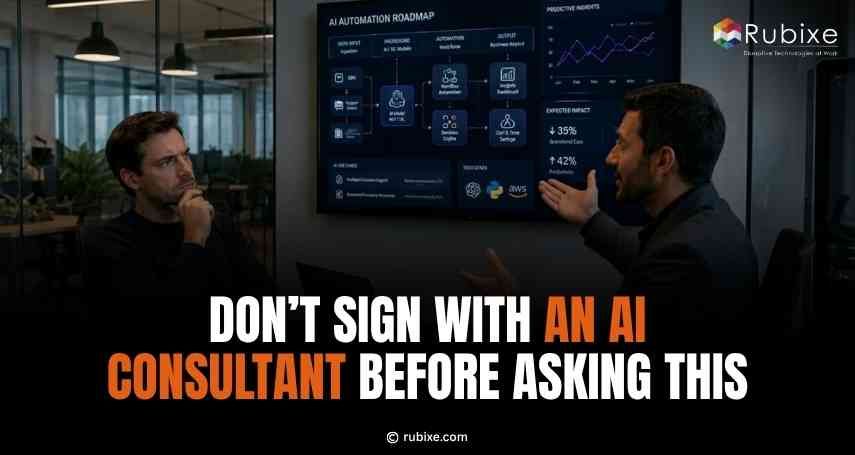
Hiring the wrong AI consulting firm can quietly drain budgets long before deployment even begins.
Businesses enter AI adoption with strong ambition, yet weak vendor evaluation. Impressive presentations, technical jargon, and fast promises often hide major execution gaps underneath.
A consulting partner influences everything from infrastructure planning and workflow integration to governance, scalability, and ROI tracking. One weak decision at the beginning can create months of operational delays later.
That is why experienced companies ask deeper questions before signing contracts. The goal is not to find a vendor.
The goal is to find an AI Consulting partner capable of turning business objectives into scalable operational outcomes.
Why Choosing the Right AI Consulting Partner Matters
Many businesses assume AI implementation revolves around software selection. The larger challenge involves operational alignment, infrastructure readiness, workflow integration, governance, and long-term scalability.
An experienced AI consulting partner helps companies avoid expensive mistakes during deployment.
A weak consulting decision can lead to:
-
Delayed implementation
-
Budget overruns
-
Poor adoption across teams
-
Inaccurate outputs
-
Security risks
-
Failed automation initiatives
That is why businesses should evaluate consulting firms carefully before committing resources.
Ask these 15 Questions to Your AI Consulting Partner Before Signing
1. What Business Problems Are You Solving First?
Strong AI Consulting starts with business outcomes, not tools.
A mature AI consultant should ask questions about operational bottlenecks, inefficiencies, and revenue-impacting challenges before recommending solutions.
If the conversation immediately shifts toward platforms or software, that signals a weak strategy process.
Good signs:
-
They discuss KPIs
-
They evaluate operational pain points
-
They connect AI use cases to financial impact
2. Have You Worked With Companies in Our Industry?
Industry experience matters heavily in AI implementation.
Healthcare, finance, retail, manufacturing, and logistics all operate under different compliance, workflow, and infrastructure requirements.
An experienced AI consulting firm understands:
-
Industry-specific regulations
-
Operational workflows
-
Data handling requirements
-
Integration challenges
-
Adoption barriers
Generic deployment approaches often create unnecessary risks.
3. How Do You Evaluate Data Readiness?
According to Gartner, poor data quality costs organizations an average of $12.9 million annually.
Many AI Consulting projects fail because critical data gaps remain hidden until deployment begins. A proper data readiness assessment helps identify inconsistent records, fragmented systems, missing historical data, and infrastructure limitations before they affect AI performance.
Before deployment begins, your consulting team should assess:
-
Data structure
-
Accessibility
-
Accuracy
-
Historical consistency
-
Security standards
Without clean data, even advanced AI systems struggle to deliver reliable outputs.
4. What Does Your AI Consulting Framework Look Like?
 Every serious consulting provider should have a structured implementation methodology.
A mature AI consulting framework usually includes:
|
Phase |
Purpose |
|
Assessment |
Identify business goals and operational gaps |
|
Data Evaluation |
Audit infrastructure and data quality |
|
Pilot Deployment |
Validate feasibility |
|
Integration |
Connect AI systems with workflows |
|
Scaling |
Expand across teams and operations |
|
Optimization |
Improve performance continuously |
If the process feels vague, implementation risks increase significantly.
5. How Will You Measure Success?
AI initiatives require clear success metrics before deployment begins.
Ask:
-
Which KPIs will improve?
-
How will ROI be tracked?
-
What operational benchmarks matter most?
-
Which departments benefit first?
Strong AI Consulting focuses heavily on business performance measurement.
6. Who Will Own the Project Internally?
Many AI projects fail because ownership becomes fragmented across departments.
Your AI consultant should help define:
-
Executive ownership
-
Technical leadership
-
Operational stakeholders
-
Approval workflows
-
Governance responsibilities
Clear ownership improves execution speed and accountability.
7. What Risks Should We Expect During Deployment?
Scalable AI consulting companies openly discuss risks early.
That includes:
-
Infrastructure limitations
-
Security vulnerabilities
-
Integration delays
-
Employee resistance
-
Budget expansion
-
Compliance challenges
Consultants promising “fast AI transformation” without discussing deployment complexity should raise concern.
8. How Will AI Integrate With Existing Systems?
Integration problems quietly derail many AI initiatives.
Your consulting team should evaluate compatibility with:
-
CRM platforms
-
ERP systems
-
Cloud infrastructure
-
Internal databases
-
Customer support systems
-
Workflow software
AI implementation should strengthen operations instead of disrupting them.
9. What Happens After Deployment?
Many companies focus only on the launch stages.
AI systems require:
-
Monitoring
-
Model updates
-
Data refinement
-
Security reviews
-
Performance optimization
A long-term AI deployment partner provides long-term operational support after implementation.
10. Can You Explain Your AI Consulting Roadmap Clearly?
A detailed AI consulting roadmap creates transparency across the organization.
The roadmap should include:
-
Deployment stages
-
Timelines
-
Team responsibilities
-
Technical milestones
-
Scaling plans
-
Performance reviews
Clear planning reduces confusion during implementation.
11. How Do You Handle AI Governance and Compliance?

Governance has become a major priority for enterprises adopting AI systems.
According to IBM, governance concerns remain one of the biggest barriers to enterprise AI adoption.
Ask how the consulting team handles:
-
Data privacy
-
Security standards
-
Regulatory compliance
-
Bias monitoring
-
Access control
-
Audit trails
Governance failures create financial and reputational risk.
12. How Will Employees Adapt to the New System?
Technology adoption depends heavily on employee confidence.
Even advanced systems fail when teams resist workflow changes.
Strategic AI Consulting includes:
-
Training plans
-
Operational onboarding
-
Department workshops
-
Change management support
Employee adoption planning often determines long-term project success.
13. Can You Share Case Studies or Deployment Examples?
Experienced consultants should provide examples of:
-
Similar projects
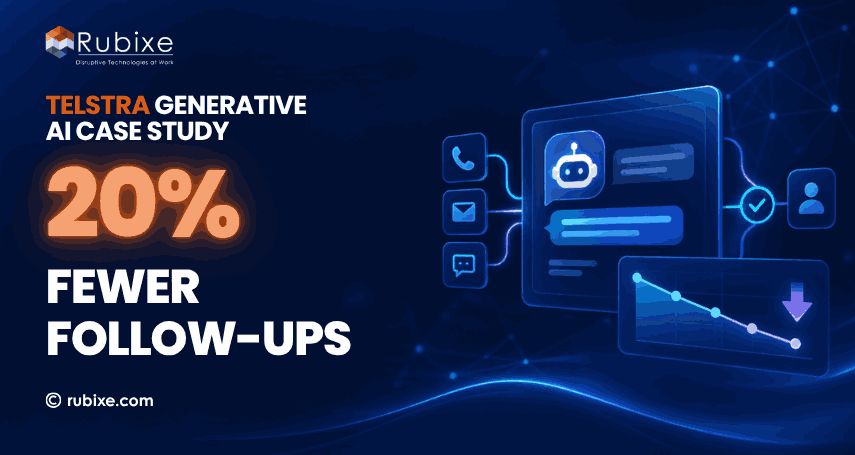
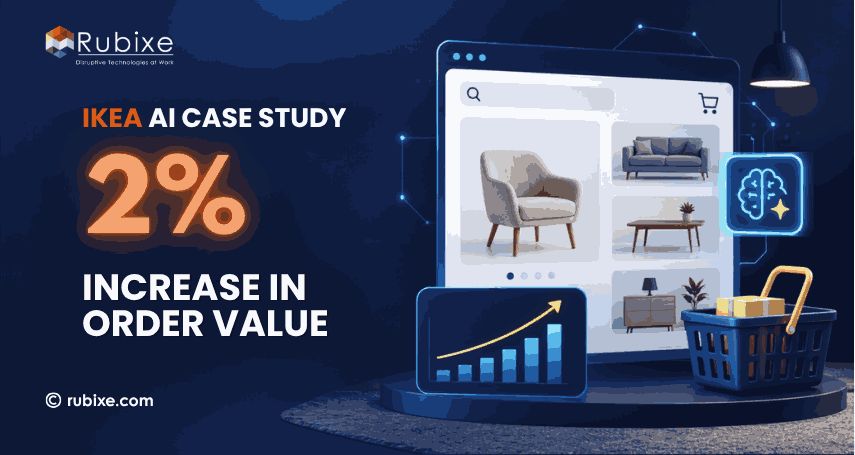
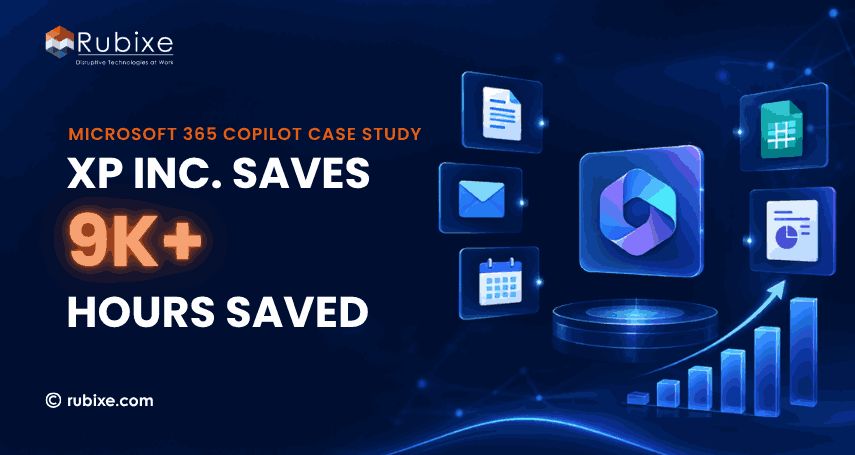
-
Operational improvements
-
Deployment challenges
-
Scaling results
Pay attention to whether the examples focus on business outcomes instead of technical buzzwords.
That reveals implementation maturity.
14. How Do You Prevent AI Projects From Failing?
This question reveals how strategically the consulting team operates.
Mature consultants usually discuss:
-
Data validation
-
Governance controls
-
Operational alignment
-
Phased deployment
-
Scalability planning
Weak consultants focus mostly on software features.
A strong provider understands why many AI Consulting projects fail before business impact appears.
15. Why Should We Choose You Over Other AI Consulting Companies?
This final question often reveals the difference between strategic partners and sales-driven vendors.
Strong answers usually focus on:
-
Industry expertise
-
Deployment methodology
-
Long-term support
-
Operational understanding
-
Infrastructure experience
-
Business alignment
Reliable providers explain how their AI consulting services support deployment planning, workflow integration, governance, scalability, and post-implementation optimization instead of focusing only on software recommendations.
The best consulting firms prioritize sustainable implementation over aggressive promises.
The Smarter Way to Evaluate AI Consulting Companies

Many organizations focus heavily on pricing during vendor selection. That approach creates long-term risk.
A smarter evaluation process focuses on:
-
Strategic depth
-
Operational understanding
-
Technical capability
-
Governance maturity
-
Industry expertise
-
Post-deployment support
Using a structured checklist for choosing AI consulting providers helps businesses reduce implementation mistakes before contracts are signed.
At Rubixe, AI implementation planning focuses on operational clarity, infrastructure readiness, scalable deployment, and long-term business value instead of trend-driven adoption cycles.
AI implementation decisions carry operational, financial, and strategic consequences across the business.
The right AI Consulting partner helps organizations move with clarity, structure, and lower deployment risk. The wrong partner can create stalled projects, fragmented systems, and wasted investment.
Businesses asking stronger questions before signing contracts position themselves far ahead during AI adoption.
Successful AI implementation begins with strategic evaluation long before deployment starts.
FAQs
1. Why is choosing the right AI consulting partner important?
The consulting partner influences deployment strategy, infrastructure planning, workflow integration, governance, and long-term scalability. Poor consulting decisions often lead to failed implementation efforts.
2. What should businesses evaluate before hiring an AI consultant?
Companies should assess industry experience, technical expertise, deployment methodology, governance standards, scalability planning, and post-launch support.
3. Why do many AI Consulting projects fail?
Most failures happen because of unclear business goals, poor data quality, unrealistic expectations, weak governance, and a lack of operational alignment.
4. How long does AI implementation usually take?
Implementation timelines depend on business complexity, infrastructure readiness, integration requirements, and deployment scope. Enterprise projects often require phased execution over several months.
5. What industries benefit most from AI Consulting?
Healthcare, finance, retail, logistics, manufacturing, SaaS, and customer service industries frequently benefit from operational automation and predictive intelligence solutions.