














IKEA AI Case Study: 2% Increase in Order Value
How IKEA used Google Cloud Recommendations AI to raise average order value by 2%, lift click-through rates 30%, and improve product discovery at scale.
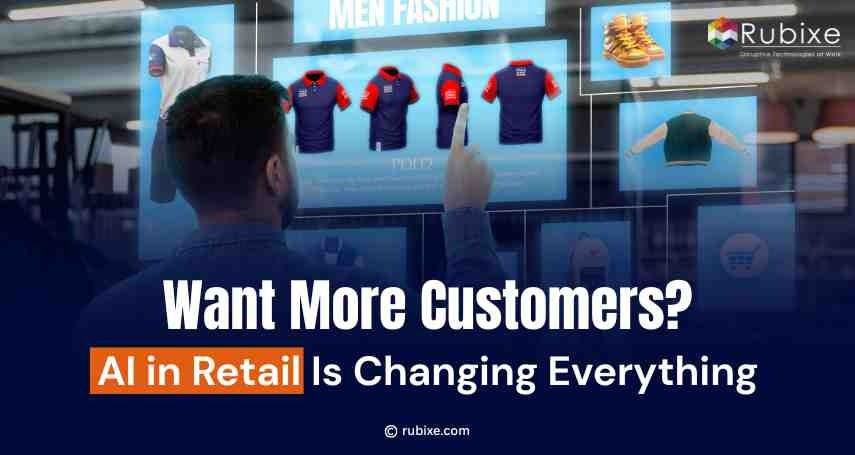
IKEA Retail, operated by Ingka Group, sells an extensive range of home-furnishing products through stores and digital channels. As online shopping expanded, IKEA needed to help customers discover relevant products and complete furnishing solutions across a large catalogue.
Where IKEA’s Product Discovery Was Losing Opportunities
IKEA already used recommendations on product pages, in promotional sections, and in shopping carts. However, changing customer behaviour increased the need for more relevant personalisation.
The company needed to:
-
Personalise recommendations at scale.
-
Help customers find complementary products.
-
Avoid recommending unavailable items.
-
Test different algorithms and customer experiences quickly.
-
Understand how recommendations influenced purchasing behaviour.
Online sales represented 30% of Ingka Group’s FY2021 retail sales, compared with 18% the previous year, increasing the commercial importance of digital product discovery.
Source: Ingka Group’s FY2021 sales announcement
The AI Product IKEA Introduced
IKEA implemented Google Cloud Recommendations AI to generate personalised, real-time product suggestions.
The system used product-catalogue data and customer events such as views, clicks, cart additions, and purchases.
IKEA experimented with models including:
-
Recommended for You
-
Others You May Like
-
Frequently Bought Together
These models could be optimised for click-through rate, conversion rate, or revenue per order. IKEA also created rules that prioritised in-stock products and suggested available alternatives when an item was unavailable.
Source: Google Cloud’s recommendation-model guide
Results IKEA Reported
IKEA reported that Recommendations AI:
-
Increased global e-commerce average order value by 2%.
-
Improved recommendation click-through rates by 30%.
-
Increased relevant recommendations displayed per page by 400%.
-
Helped customers find suitable products with fewer clicks.
-
Improved the discovery of complementary products.
IKEA found examples where customers moved from considering one item to discovering a broader home-furnishing solution. At the time of publication, the company said Recommendations AI powered most recommendations on its website.
Google Cloud also references the 2% average-order-value increase in its official retail transformation article.
How IKEA Tested Before Scaling
IKEA combined Recommendations AI with a high-volume A/B testing framework. Teams tested algorithms alongside product images, titles, placements, and interface changes.
An optimised development pipeline allowed IKEA to move from an idea to a customer A/B test in under 30 minutes. This helped the company identify successful recommendations before expanding them across the customer journey.
What This Means for Your Business
Retailers implementing AI recommendations should track more than clicks. Relevant indicators include:
-
Conversion rate.
-
Average order value.
-
Revenue per session.
-
Product availability.
-
Customer journey length.
-
Repeat purchases.
IKEA’s 2% result represents an increase in average order value, not a confirmed 2% rise in total revenue. The case shows that retail AI requires accurate data, inventory integration, effective user experience, and continuous testing.
Deploy Retail AI With Proven Expertise
Rubixe develops AI solutions for retail that help businesses improve personalisation and product discovery.
Rubixe can support:
-
Recommendation-engine development.
-
Customer and product-data integration.
-
Inventory-aware recommendations.
-
Cross-selling models.
-
E-commerce integration.
-
A/B testing and performance monitoring.
Curious About What AI Could Do for Your Retail Business?
Book a consultation with Rubixe AI consultants to explore how personalisation could improve customer experience and order value.
Note: Rubixe was not involved in IKEA’s implementation. This is Rubixe’s independent analysis of publicly documented results reported by IKEA Retail and Google Cloud.