

















How AI Optimizes Manufacturing Operations in Real Time
AI in manufacturing enables real time optimization by improving workflows, reducing delays, and helping businesses make faster data driven decisions.
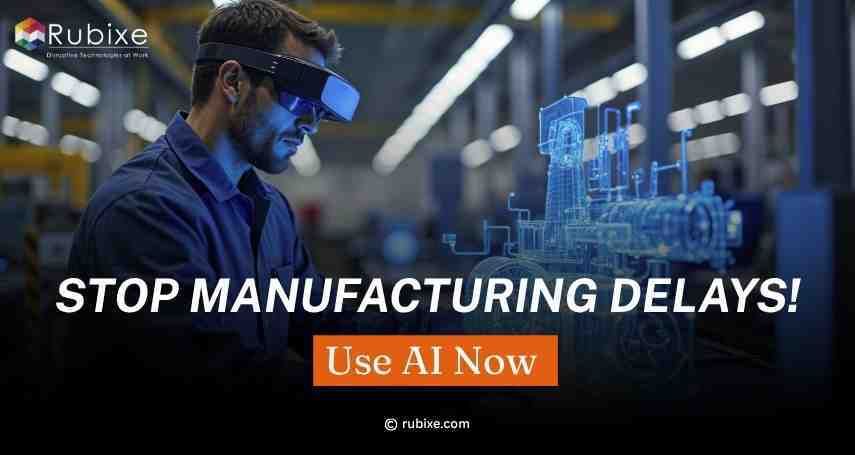
Are your manufacturing operations still reacting to problems after they happen instead of preventing them in real time?
I’ve seen this situation play out in multiple manufacturing setups, teams working hard, processes in place, yet losses keep happening simply because decisions come too late. That delay is where most production losses happen, such as unexpected downtime, quality issues, and inefficient workflows.
An AI energy management system and real-time AI make a big difference. From what I’ve seen, businesses that use real-time data don’t just fix problems faster; they stop them before they happen. Instead of waiting for reports, teams can take action immediately using live data and smart insights.
What Is AI in Manufacturing Industry?
AI in manufacturing industry refers to the use of intelligent systems that analyze data, learn from patterns, and make decisions to improve production processes instantly.
An AI energy management system is one of the most impactful applications, helping manufacturers:
-
Monitor real-time energy consumption
-
Detect inefficiencies immediately
-
Optimize power usage without reducing output
In simple terms, AI allows manufacturers to move from fixing problems after they occur to preventing them before they happen.
How Does AI Optimize Manufacturing Operations?
AI optimizes manufacturing operations by collecting real-time data, analyzing it instantly, and taking automated actions to improve efficiency, reduce downtime, and enhance productivity.
This real-time capability is what separates AI from traditional automation systems. Instead of waiting for human intervention, AI continuously monitors operations and adjusts processes dynamically.
How AI Optimizes Manufacturing Operations in Real Time
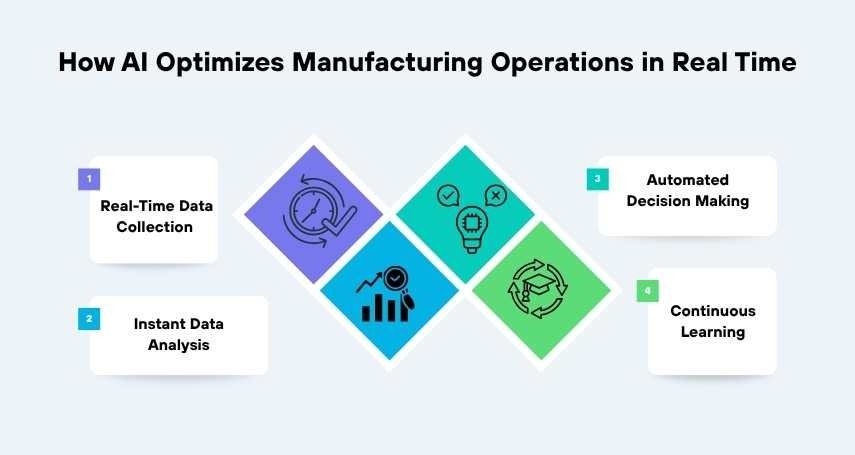 AI operates through a continuous loop of data collection, analysis, and action.
1. Real-Time Data Collection
AI systems gather live data from multiple sources, including machines, sensors, production lines, and energy systems. This ensures that every part of the manufacturing process is continuously monitored without interruption.
2. Instant Data Analysis
Once data is collected, AI analyzes it instantly to identify inefficiencies, detect anomalies, and predict potential failures. This includes spotting patterns that are often invisible to human operators.
3. Automated Decision-Making
AI systems can trigger alerts, recommend actions, or automatically adjust machine settings to optimize performance. This reduces reliance on manual intervention and speeds up response times.
4. Continuous Learning
AI systems learn from past data and outcomes, improving their accuracy and performance over time. This makes smart manufacturing AI systems increasingly effective as they operate.
Key Benefits of AI in Manufacturing Operations
1. Reduced Downtime with Predictive Maintenance
Predictive maintenance AI identifies early warning signs of machine failure, allowing maintenance teams to act before breakdowns occur.
Result:
Downtime can be reduced by up to 50%, leading to significant cost savings and improved productivity.
2. Energy Optimization with an AI Energy Management System
An AI energy management system monitors energy usage in real time and adjusts consumption to eliminate waste.
Result:
Manufacturers can reduce energy costs by 15–25% while maintaining production efficiency.
3. Improved Efficiency with AI Automation in Manufacturing
AI automation in the manufacturing streamlines workflows and eliminates repetitive tasks, allowing teams to focus on higher-value activities.
Result:
Faster production cycles and better resource utilization.
4. Real-Time Quality Control
AI-powered vision systems detect defects instantly during production, ensuring consistent quality.
Result:
Reduced waste, fewer returns, and improved customer satisfaction.
5. Smarter Decision-Making
AI provides real-time insights that help managers make faster and more informed decisions.
Result:
Better operational control and quicker responses to changing conditions.
Real - World Impact of AI in Manufacturing
A mid-sized manufacturing company implemented AI-powered predictive maintenance and energy optimization systems to improve operational efficiency.
Before AI:
-
Frequent machine breakdowns
-
High maintenance costs
-
Production delays due to unplanned downtime
After AI:
-
Maintenance costs reduced by 30%
-
Production efficiency improved significantly
A similar case study shows that a manufacturing plant using AI-based predictive maintenance reduced unplanned downtime by 50% and improved overall equipment efficiency and output.
AI-driven systems helped the company shift from reactive maintenance to predictive operations, enabling faster decisions and better resource utilization.
Challenges of AI in Manufacturing Industry
1. High Initial Investment
Implementing AI involves upfront costs for software, hardware, and system integration. Businesses may also need to invest in sensors, cloud platforms, and data infrastructure. For many manufacturers, especially mid-sized ones, this initial cost can slow down adoption despite long-term ROI.
2. Data Quality Issues
AI systems depend entirely on accurate and consistent data to deliver reliable insights. In many manufacturing setups, data is often incomplete, outdated, or not properly structured. Poor data quality can lead to incorrect predictions, affecting decision-making and overall performance.
3. Integration with Legacy Systems
Many manufacturing units still rely on older machines that are not designed for digital connectivity. Integrating AI with these legacy systems can be complex and time-consuming. Without proper integration, businesses may not fully benefit from AI capabilities.
4. Skill Gaps
AI implementation requires knowledge of data analysis, machine learning, and system management. Many manufacturing teams lack the technical expertise needed to work with AI tools effectively. This skill gap can delay adoption and reduce the overall impact of AI initiatives.
Solutions to Overcome AI Challenges
1. Start with High-Impact Use Cases
Focus on areas like predictive maintenance and energy optimization where ROI is clear and measurable.
2. Use Scalable AI Solutions
Cloud-based AI platforms reduce initial investment and allow businesses to scale gradually.
3. Improve Data Infrastructure
Installing IoT sensors and upgrading data systems ensures accurate and reliable data collection.
4. Train and Upskill Teams
Providing training helps employees adapt to AI technologies and improves adoption rates.
5. Work with Experienced AI Partners
Collaborating with AI experts ensures smoother implementation and faster results.
Why AI Is the Future of Manufacturing
AI is driving the evolution of manufacturing into a more intelligent and responsive system. Smart manufacturing AI enables real-time monitoring, continuous optimization, and scalable growth.
Businesses adopting AI automation in manufacturing gain:
-
Reduced operational costs
-
Increased production speed
-
Improved product quality
-
Stronger competitive advantage
As industries become more data-driven, AI will play a central role in shaping the future of manufacturing.
FAQs
1. What is AI in the manufacturing industry?
AI in manufacturing industry uses advanced algorithms and data analysis to optimize production processes, reduce downtime, and improve efficiency in real time.
2. How does AI reduce downtime?
AI uses predictive maintenance to detect early signs of machine failure, allowing maintenance teams to fix issues before they lead to breakdowns.
3. What is an AI energy management system?
It is a system that monitors and optimizes energy consumption across machines to reduce costs and improve operational efficiency.
4. Is AI expensive to implement?
While AI requires initial investment, it delivers long-term ROI through cost savings, improved efficiency, and reduced downtime.
5. Can AI work with existing manufacturing systems?
Yes, AI can integrate with existing systems using IoT sensors and cloud-based solutions, making adoption easier.
What Should You Do Next?
Begin by identifying inefficiencies in your current operations, especially areas where delays, energy waste, or manual processes exist. Start implementing AI in high-impact areas and scale gradually based on results.
Because in modern manufacturing, real-time optimization is no longer optional, it is essential for sustainable growth and long-term success.
AI is not just enhancing manufacturing operations; it is redefining how they function in real time.