












How AI in Lifescience Helps Pharmaceutical Companies
AI in lifescience services help pharmaceutical companies with drug discovery, clinical trials, manufacturing optimization, data analysis, and decision support
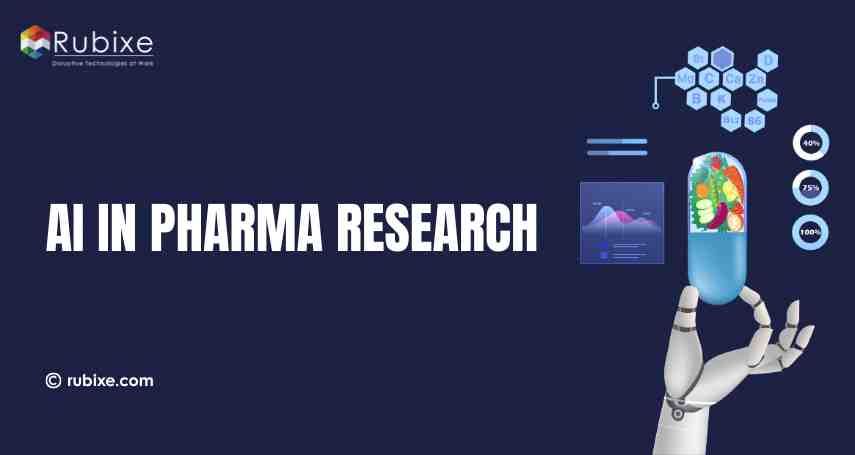
Ever thought about how new medicines reach patients so quickly?
Or how pharmaceutical companies decide which drugs will work best for patients? The answer lies in a combination of science, data, and technology.
One of the most useful tools today is AI in life sciences.
Artificial Intelligence (AI) is helping pharmaceutical companies solve big problems, like finding new drugs quickly, testing them safely, and giving better care to patients. With AI, companies can save time, reduce costs, and make medicines that work more effectively.
What Is AI in Lifescience?
AI in Lifescience refers to the use of artificial intelligence to analyze living organisms and address challenges in medicine, biology, and healthcare. It combines advanced computing, data analysis, and machine learning to provide insights that were previously difficult or impossible to obtain manually.
For pharmaceutical companies, AI in life sciences plays a critical role by:
-
Accelerating Drug Development: It helps identify potential drug candidates faster, reducing the time required for research and laboratory testing.
-
Improving Accuracy: AI can analyze vast datasets, including genetic information, clinical trial results, and molecular interactions, to provide precise predictions.
-
Supporting Decision-Making: It assists scientists and researchers in making informed choices about drug targets, formulations, and patient treatment strategies.
-
Optimizing Processes: From research and testing to production and supply chain management, AI streamlines complex workflows, reducing errors and costs.
Why Pharmaceutical Companies Need AI
Pharmaceutical companies face several major challenges when developing new medicines:
-
High Cost of Drug Development: Developing a new drug can cost over ₹1.66 crore. Traditional research and clinical trials require huge investment, and not all drugs succeed. AI helps reduce costs by identifying the most promising drug candidates early.
-
Long Time to Market: Bringing a new medicine to patients usually takes 10–15 years. AI accelerates this by analyzing data quickly, predicting outcomes, and helping scientists focus on the most effective solutions.
-
Complex Data: Researchers deal with massive data, including genetic information, proteins, chemical compounds, and patient records. AI processes this data efficiently, finds patterns humans might miss, and provides actionable insights.
By using AI, pharmaceutical companies can reduce costs, shorten development timelines, make better decisions, and increase the chances of producing safe and effective medicines.
How AI Helps Pharmaceutical Companies Accelerate Drug Discovery
Traditionally, this process is slow and expensive because scientists must test thousands of molecules in labs. AI changes this in several ways:
-
Predicting Molecule Effectiveness
AI can study millions of molecules in a short time and predict which ones are most likely to work. This reduces the number of molecules scientists need to test in the lab.
-
Finding Drug Targets
Diseases happen when certain proteins or genes in the body malfunction. AI can analyze patient data and find the exact proteins that drugs should target.
-
Reducing Time for Discovery
AI can complete in weeks what would take humans years. For example, some AI systems can suggest potential drugs for new diseases like COVID-19 within months.
How AI Improves Clinical Trials in Pharmaceutical Companies
Clinical trials are a critical part of the drug development process, but they are often time-consuming, expensive, and complex, involving thousands of patients and large amounts of data.
1. Selecting the Right Patients
Choosing the right participants is essential to ensure accurate trial results. Traditionally, this involves manually reviewing patient records, which is slow and prone to errors. AI can:
-
Analyze large datasets from medical histories, genetic profiles, and previous research to identify suitable candidates.
-
Match patients with trial requirements more precisely, improving the quality of results.
-
Reduce trial delays caused by recruiting unsuitable participants.
Benefit: Pharmaceutical companies can achieve more reliable outcomes and reduce the time and cost of patient recruitment.
2. Predicting Side Effects
Identifying potential adverse reactions early is crucial for patient safety. AI helps by:
-
Examining historical clinical data and patterns from similar drugs to anticipate side effects.
-
Predicting how different groups of patients might respond to the drug based on genetics, age, or other health factors.
-
Suggesting dosage adjustments or trial modifications to minimize risks.
Benefit: This reduces the likelihood of complications, protects patients, and ensures trials proceed smoothly.
3. Monitoring Patient Health
Keeping track of patients’ health throughout the trial is critical for safety and data accuracy. AI tools assist by:
-
Collecting real-time data through wearable devices, sensors, and mobile apps.
-
Detecting any abnormal changes in health quickly, such as unusual reactions or side effects.
-
Allowing doctors and researchers to respond immediately and adjust treatment if necessary.
Benefit: Continuous monitoring improves patient safety, enhances the reliability of trial results, and reduces the need for repeated hospital visits.
AI in Drug Manufacturing
AI is transforming drug manufacturing by improving speed, accuracy, and cost-efficiency throughout the process.
1. Predicting Production Issues
Manufacturing complex medicines involves many machines and processes, which can sometimes fail or malfunction. AI helps by:
-
Monitoring equipment in real time to detect potential problems before they occur.
-
Using predictive analytics to identify patterns that could cause delays or errors.
-
Alerting engineers to take corrective action early prevents costly downtime.
Benefit: Pharmaceutical companies can maintain uninterrupted production, avoid delays, and reduce maintenance costs.
2. Quality Control
Ensuring the highest quality standards is essential in drug manufacturing, as even minor defects can compromise patient safety. AI improves quality control by:
-
Inspecting every batch of medicine using advanced computer vision and sensor technologies.
-
Detecting defects, impurities, or inconsistencies faster and more accurately than human inspection.
-
Reducing errors and ensuring that only safe, high-quality products reach the market.
Benefit: Companies maintain regulatory compliance, enhance patient safety, and build trust in their products.
3. Optimizing the Supply Chain
Pharmaceutical companies must predict demand accurately to avoid shortages or overproduction. AI supports supply chain management by:
-
Analyzing historical sales, patient needs, and global health trends to forecast demand.
-
Helping plan production schedules so the right quantity of medicine is produced at the right time.
-
Reducing waste and lowering costs by preventing overproduction or stockpiling.
Benefit: AI ensures medicines are available when patients need them, minimizes inventory losses, and improves overall operational efficiency.
AI in Personalized Medicine
AI enables pharmaceutical companies and healthcare providers to tailor treatments to individual patients, improving outcomes and reducing side effects.
1. Analyzing Genetic Data
-
AI can examine a patient’s genetic information, medical history, and lifestyle factors to understand how they are likely to respond to a specific drug.
-
It identifies genetic markers that influence drug effectiveness or the risk of side effects.
-
This allows doctors and researchers to select the most appropriate therapy for each patient.
Benefit: Pharmaceutical companies can develop targeted drugs and treatment plans, increasing effectiveness and patient satisfaction.
2. Recommending Treatments
-
AI tools can suggest the best medicine or dosage for individual patients based on their unique profiles.
-
It can recommend alternative therapies if a patient is likely to experience side effects or poor response to standard treatment.
-
These AI-driven recommendations support doctors in making faster and more accurate decisions.
Benefit: Personalized treatment plans improve recovery rates, reduce complications, and help pharmaceutical companies demonstrate the value of their therapies.
3. Tracking Patient Progress
-
AI continuously monitors patients’ health data through wearables, apps, and electronic health records.
-
It tracks how patients respond to treatment and identifies early signs of complications or adverse reactions.
-
Therapy can be adjusted in real time to improve effectiveness and safety.
Benefit: This ongoing monitoring enhances patient care and provides pharmaceutical companies with valuable feedback on drug performance in real-world settings.
AI in Predicting Market Trends
Understanding future trends allows companies to allocate resources efficiently, reduce costs, and ensure that patients have access to the treatments they need.
1. Analyzing Health Data
-
AI can process massive amounts of global health data, including disease prevalence, patient demographics, and healthcare patterns.
-
It can identify which diseases are likely to increase in different regions, helping companies focus research and production on relevant drugs.
-
This predictive insight allows pharmaceutical companies to plan rather than react to market changes after they occur.
Benefit: Companies can target their resources efficiently and ensure that medicines reach the regions where they are most needed.
2. Optimizing Marketing and Distribution
-
AI helps pharmaceutical companies decide which drugs to prioritize for production and promotion.
-
It can recommend the best distribution channels, ensuring medicines are delivered efficiently to hospitals, clinics, and pharmacies.
-
AI also analyzes customer and patient trends to tailor marketing campaigns, improving engagement and product adoption.
Benefit: Optimized marketing and distribution reduces waste, improves sales efficiency, and ensure timely availability of medicines for patients.
3. Reducing Costs
-
Overproduction or underproduction of medicines can lead to financial losses and supply issues.
-
AI predicts demand accurately based on historical data, current trends, and emerging health patterns.
-
This allows companies to produce the right quantity of medicine, reducing excess inventory or shortages.
Benefit: Accurate forecasting minimizes production costs, lowers waste, and increases operational efficiency.
Challenges of Using AI in Pharmaceutical Companies
Understanding these limitations is essential for companies to use AI effectively and responsibly.
1. Data Privacy
-
Pharmaceutical companies work with sensitive patient information, including medical histories, genetic data, and treatment records.
-
AI systems require access to large datasets to function effectively, which raises concerns about data security and privacy.
-
Companies must comply with strict privacy regulations such as GDPR or HIPAA to ensure patient information is protected.
Impact: Mishandling data can lead to legal issues, loss of patient trust, and reputational damage.
2. High Initial Cost
-
Developing and integrating AI systems requires significant investment in technology, software, and infrastructure.
-
Companies may also need to upgrade existing IT systems and purchase advanced computing resources.
-
Despite these costs, the long-term savings and efficiency gains from AI often outweigh the initial investment.
Impact: Smaller companies may find it challenging to adopt AI without proper planning or external support.
3. Expertise Required
-
Effective AI implementation requires collaboration between data scientists, engineers, and pharmaceutical researchers.
-
Understanding AI predictions and applying them correctly to drug development is crucial.
-
Misinterpretation of AI outputs can lead to incorrect conclusions or ineffective treatments.
Impact: Companies must invest in training and hire skilled professionals to leverage AI effectively.
4. Regulatory Compliance
-
Medicines developed using AI must still meet strict government and industry regulations.
-
Regulatory agencies may require detailed explanations of AI-driven decisions, making transparency and validation critical.
-
Companies must carefully document AI processes to ensure approval and maintain compliance.
Impact: Regulatory hurdles can slow down the adoption of AI-driven innovations.
Future of AI in Lifescience
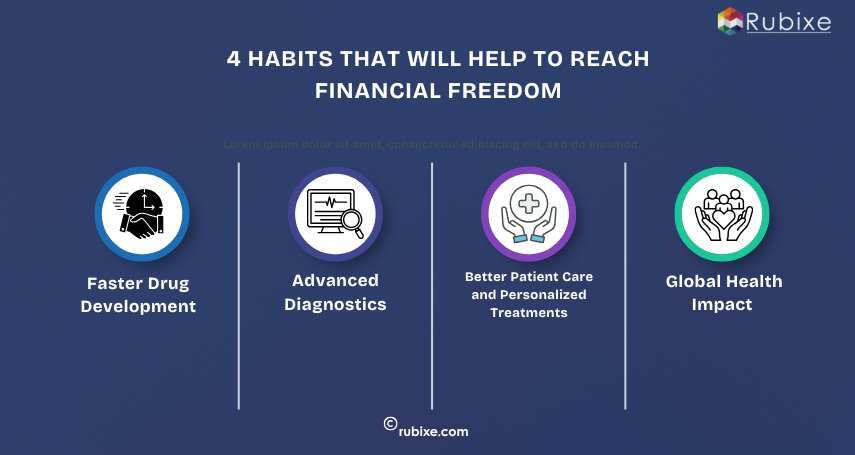
The future of AI in Lifescience is promising, with the potential to transform the pharmaceutical and healthcare industries
Here are some key trends to watch:
1. Faster Drug Development
-
AI will continue to accelerate the discovery and testing of new drugs by analyzing massive datasets, predicting molecule effectiveness, and identifying potential drug targets.
-
This will reduce the time and cost of bringing new medicines to market, allowing patients to access treatments sooner.
-
Companies will be able to respond more quickly to emerging diseases, such as pandemics or resistant infections.
Impact: Pharmaceutical companies can innovate faster, save resources, and stay competitive in a rapidly changing market.
2. Advanced Diagnostics
-
AI will enhance diagnostic capabilities by helping doctors identify diseases earlier and more accurately.
-
Machine learning models can analyze medical images, lab results, and patient histories to detect conditions that might be missed by humans.
-
Early diagnosis allows for timely intervention, improving treatment outcomes.
Impact: Patients receive better care, and healthcare systems become more efficient by reducing misdiagnoses.
3. Better Patient Care and Personalized Treatments
-
AI will enable personalized medicine by tailoring treatments to each patient’s genetic profile, health history, and lifestyle.
-
Continuous monitoring through AI-powered tools and wearables will allow doctors to track patient progress remotely.
-
Treatments can be adjusted in real time, improving effectiveness and reducing side effects.
Impact: Patients experience improved outcomes and higher satisfaction, while pharmaceutical companies can develop more targeted therapies.
4. Global Health Impact
-
AI can analyze health trends worldwide to predict and respond to disease outbreaks quickly.
-
By monitoring global health data, pharmaceutical companies and governments can allocate resources more efficiently and prevent widespread health crises.
-
This capability is especially important for pandemic preparedness and managing public health emergencies.
Impact: AI contributes to better global health management, helping save lives and minimize economic disruption caused by epidemics.
AI is changing the pharmaceutical industry in ways that were not possible just a few years ago. It helps companies do many things faster and better. From finding new drugs to making treatments that fit each patient, AI improves accuracy, saves money, and speeds up work.
Pharmaceutical companies that use AI in Lifescience can bring safer and more effective medicines to patients more quickly. They can also reduce mistakes, make better decisions, and plan treatments based on real data.
AI is not just a tool or technology - it is like a partner for scientists and doctors. It helps them solve difficult problems, understand patient needs better, and create new medicines that can save lives.
In the future, AI will continue to grow and become even smarter.