


















How to Assess Data For AI Readiness Assessment
Understand data AI readiness assessment by checking data quality, access, security, and governance to prepare your business for AI projects.
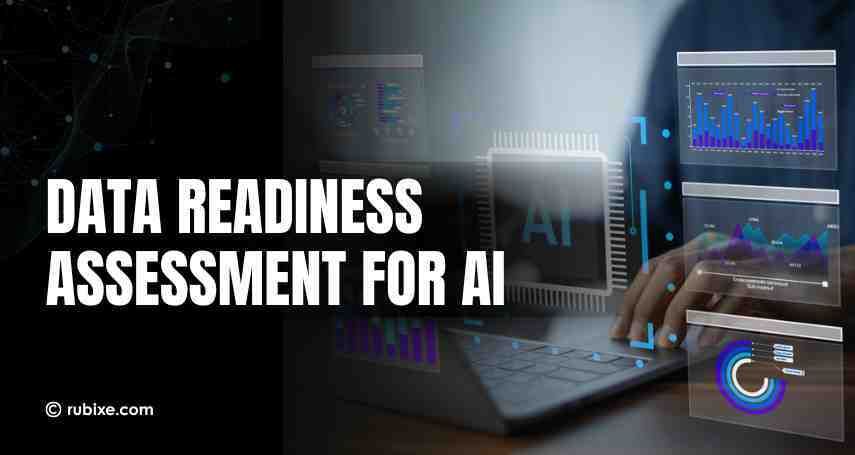
If you are planning to use AI in your business, the first challenge you will face is not choosing tools or models.
The real challenge is knowing whether your data is actually ready for AI.
Many businesses rush into AI projects and later realise their data is incomplete, messy, or difficult to access.
A proper assessment helps you understand if your data is clean, accurate, secure, and structured for AI use. It also highlights gaps that could cause AI projects to fail. An AI readiness audit gives you a clear picture of whether your business is prepared to adopt AI with confidence and get reliable results.
What Is Data Readiness Assessment for AI?
Data readiness assessment for AI is the process of checking whether your business data is prepared to be used for artificial intelligence projects. It helps you understand if your data is clean, complete, accurate, and available in the right format.
This assessment shows gaps in data quality, structure, and access, so businesses can fix issues before using AI. An AI readiness audit ensures your data can support reliable AI results and business decisions.
Key Factors to Evaluate Data Readiness for AI
 Several important factors decide whether your data is ready for AI use. These factors help businesses understand if AI can work accurately and deliver useful results.
-
Data Quality: Data should be accurate, complete, and free from errors. Poor-quality data leads to wrong AI outputs.
-
Data Availability: The required data must be easily accessible from systems like CRM, ERP, or databases.
-
Data Consistency: Data should follow the same format and structure across all sources to avoid confusion.
-
Data Security and Privacy: Sensitive business and customer data must be protected and comply with regulations.
-
Data Governance: Clear rules should exist for how data is collected, stored, and managed.
An AI readiness audit checks all these factors to confirm whether your data is prepared for AI implementation and future scaling.
How to Check If Your Data Is Ready for AI
Businesses need to understand whether their data is enough to give correct and useful results. These steps help check if your data is truly ready for AI use.
1. Check Data Accuracy: Your data should be correct, complete, and updated regularly. Inaccurate data can cause AI systems to give wrong insights and decisions.
2. Remove Data Issues: Duplicate entries, missing fields, and inconsistent values must be fixed. Clean data helps AI work smoothly and deliver reliable results.
3. Review Data Accessibility: Data should be easy to access from tools like CRM, ERP, and databases. AI cannot perform well if data is locked or scattered across systems.
4. Maintain Data Consistency: All data sources should follow the same format and structure. Consistent data reduces errors and improves AI performance.
5. Ensure Data Security and Compliance: Sensitive customer and business data must be protected. Proper security and compliance reduce legal and privacy risks.
6. Define Data Ownership: Assign clear responsibility for managing and updating data. This avoids confusion and ensures long-term data quality.
Data Requirements for Successful AI Adoption
To get real value from AI, businesses must prepare their data first. The quality, structure, and security of data decide how accurate and useful AI results will be.
1. Clean and Accurate Data
AI systems learn from existing data, so errors directly affect outcomes. Data should be free from duplicates, missing values, and incorrect entries. Clean data helps AI deliver reliable insights and predictions. Poor data quality often leads to wrong business decisions.
2. Sufficient Data Volume
AI needs enough data to understand patterns and trends. Small or incomplete datasets limit learning and reduce accuracy. With more relevant data, AI models perform better and give consistent results. Data volume grows as business operations scale.
3. Structured and Organised Data
Data should follow a common format across all systems. Structured data is easier for AI to process and analyse. When data is unorganised, AI models struggle to interpret information correctly. Standard formats improve efficiency and accuracy.
4. Accessible Data Sources
AI must be able to access data from tools like CRM, ERP, and internal databases. If data is stored in silos, AI adoption becomes slow and complex. Easy access ensures smoother data flow between systems. This helps AI deliver faster insights.
5. Data Security and Compliance
Business and customer data must be protected at all times. Strong security prevents data leaks and misuse. Compliance with data protection laws builds trust and avoids legal risks. Secure data creates a safe foundation for AI usage.
Top Data Challenges That Block AI Success
1. Data Stored in Silos
Business data is often spread across different systems like CRM, ERP, and spreadsheets. This makes it hard for AI systems to access complete information in one place.
2. Poor Data Quality
Many businesses have data with errors, duplicates, or missing values. Poor-quality data leads to inaccurate AI outputs and weak business decisions.
3. Inconsistent Data Formats
Data collected by different teams often follows different formats. This inconsistency creates confusion and reduces AI performance.
4. Limited Data Accessibility
Even when data exists, teams may not have proper access to it. Restricted or manual access slows down AI implementation.
5. Lack of Data Governance
Without clear rules for data management, data becomes outdated or unreliable. This makes long-term AI use difficult.
6. Data Security and Privacy Risks
Sensitive customer and business data may not be properly protected. Weak security increases compliance risks and reduces trust in AI systems.
When Should Businesses Perform an AI Readiness Audit?
Businesses should perform an AI readiness audit before starting any AI project. This audit helps check whether data, systems, and teams are prepared to support AI without causing delays or failures.
Here are the right times to conduct an AI readiness audit:
-
Before investing in AI tools
If a business plans to buy AI software or platforms, an AI readiness audit ensures the data and systems can support those tools. This prevents wasted spending on tools that cannot deliver results. -
When data volumes start increasing
As businesses collect more data from sales, customers, and operations, managing it manually becomes difficult. An AI readiness audit helps confirm whether this data can be used effectively for AI analysis. -
Before building custom AI solutions
Custom AI requires strong data quality and structure. Performing an AI readiness audit before development reduces the risk of failed models and inaccurate outputs. -
When AI results are inconsistent or unreliable
If existing AI or analytics tools produce unclear or incorrect results, an AI readiness audit helps identify data gaps, quality issues, and access problems. -
Before scaling AI across teams
When expanding AI usage across departments, businesses should ensure data consistency and governance. An AI readiness audit confirms readiness for long-term scaling. -
During digital transformation initiatives
AI often supports automation and decision-making during digital transformation. An AI readiness audit ensures data foundations are strong enough to support these changes.
A data readiness assessment for AI helps businesses avoid costly mistakes by identifying data gaps early. It ensures your data is clean, accessible, consistent, and compliant before AI implementation begins. Conducting an AI readiness audit at the right time allows businesses to reduce risks, improve accuracy, and plan AI projects with confidence.
Whether you are just starting with AI or planning to scale existing solutions, checking data readiness should always come first. With a structured AI readiness audit, businesses can turn data into a strong asset and ensure AI supports long-term growth instead of becoming an expensive experiment.