













How AI Enhances Telecom Services and Networks
Learn how AI in telecom improves network management, customer support, predictive maintenance, fraud detection, optimization, efficiency, and automation
Having Trouble Keeping Your Telecom Network Working Well?
Telecom companies have many problems. Customers want fast internet, no interruptions, and quick help. Network problems can make users unhappy, lose money, and hurt the company’s name.
Even a few hours of network downtime can cost a lot and make customers leave. Fixing network problems and keeping services smooth is very important.
Using AI in telecom can help stop problems, improve service, and keep customers happy.
What Is AI in Telecom?
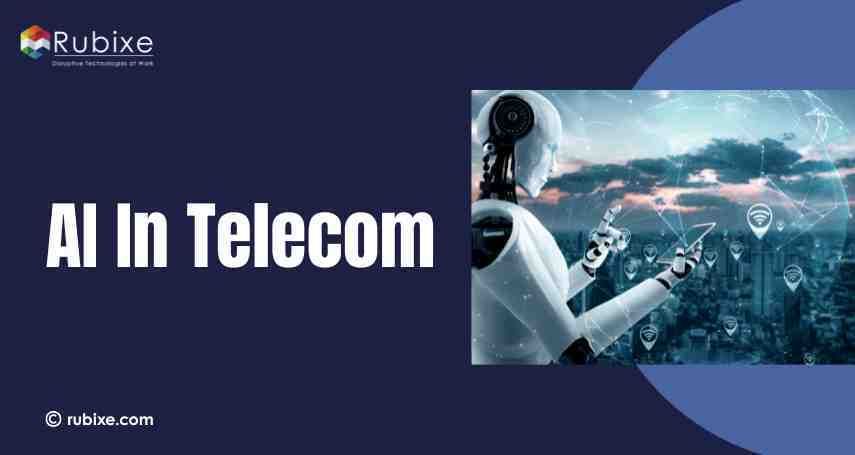
AI in telecom means using artificial intelligence (AI) tools like machine learning, data analysis, and automation in phone and internet networks. AI helps telecom companies handle large amounts of data, make better decisions, and run networks more smoothly. Unlike old systems, AI can learn from patterns, predict problems, and sometimes fix them automatically.
In simple words, AI makes telecom networks smarter, faster, and more reliable.
Why Telecom Companies Need AI
 Telecom companies face several challenges:
-
Huge Data Volume: Networks generate massive amounts of data every second from devices, sensors, and user activity. Managing this manually is impossible.
-
Network Complexity: Modern networks like 5G are highly complex and require continuous monitoring.
-
Customer Expectations: Customers expect fast, uninterrupted service and quick problem resolution.
-
Operational Costs: Manual monitoring and problem-solving can be expensive and time-consuming.
This is where AI in telecom comes into play. It helps telecom providers handle complex networks efficiently, reduce costs, and enhance customer experiences.
Key Applications of AI in Telecom
Here are some of the main ways AI enhances telecom services and networks:
1. Predictive Maintenance
Telecom networks include towers, routers, switches, and cables. Any failure in these components can lead to downtime and customer complaints. AI can analyze historical and real-time data to predict potential failures before they happen.
For example, if a network router shows unusual activity, AI can alert engineers or even trigger automated fixes. Predictive maintenance reduces downtime, saves costs, and ensures continuous service.
2. Network Optimization
Networks need to handle high traffic efficiently. AI algorithms can monitor traffic patterns and optimize bandwidth usage. This helps in reducing congestion, improving speed, and enhancing the overall quality of service.
Telecom operators can also use AI to manage 5G networks intelligently, automatically adjusting resources based on demand. This is a major improvement over traditional manual network management.
3. Fraud Detection
Telecom services are vulnerable to fraud, such as SIM card cloning, subscription fraud, or illegal call routing. AI can analyze network behavior in real time and detect suspicious activities.
For instance, if an account shows unusual call patterns, AI systems can flag it for investigation instantly. This protects both the telecom provider and its customers.
4. Customer Support and Chatbots
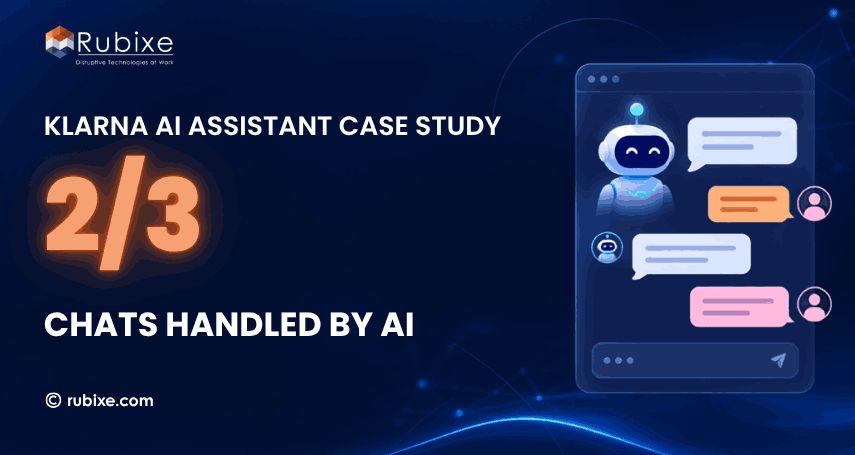
AI-powered chatbots and virtual assistants are becoming essential in telecom services. They handle routine customer queries, troubleshoot common issues, and provide 24/7 support.
This not only improves customer satisfaction but also frees up human agents to handle more complex problems. For example, a customer can get instant help with balance checks, plan changes, or network issues through AI chatbots.
5. Personalized Services
Customers expect services that suit their preferences. AI can analyze user data and provide personalized recommendations, offers, or plans.
For example, a telecom operator can suggest data packs based on a customer’s usage pattern or offer discounts to retain loyal users. This increases revenue and improves customer loyalty.
6. Energy Management
Running large telecom networks consumes a lot of energy. AI can optimize energy usage by monitoring equipment and reducing wastage.
For example, AI can turn off devices that are not being used or lower the power when traffic is low. This saves money and helps the environment.
Benefits of AI in Telecom
Using AI in telecom brings multiple benefits for both businesses and customers:
-
Improved Network Reliability: Predictive maintenance and optimization reduce downtime.
-
Better Customer Experience: AI-powered support and personalization make services faster and more satisfying.
-
Cost Reduction: Automation and energy management lower operational expenses.
-
Enhanced Security: AI detects fraud and network threats in real time.
-
Faster Decision-Making: AI processes huge data sets and provides actionable insights quickly.
These benefits help telecom companies stay ahead and provide good services.
Common Misconceptions About AI in Telecom
Many companies hesitate to use AI in telecom because of wrong ideas:
-
“AI is only for big companies.” Reality: Small and medium telecom operators can also benefit from AI with the right tools and guidance.
-
“AI makes networks less secure.” Reality: AI actually improves security by detecting fraud, unusual activity, and potential threats in real time.
-
“AI will slow down operations.” Reality: Properly implemented AI speeds up decision-making, automates routine tasks, and improves overall network performance.
-
“AI needs too much technical skill.” Reality: Modern AI tools are easy to use, and telecom AI consulting helps companies implement solutions without needing advanced technical knowledge.
How to Get Started with AI in Telecom
Here are steps for telecom operators to adopt AI successfully:
-
Identify key areas where AI can have the most impact, such as network monitoring or customer support.
-
Collect and organize data from your network, users, and devices.
-
Select AI tools and platforms suitable for your business needs.
-
Implement AI gradually, starting with high-impact areas.
-
Train staff to work with AI systems effectively.
-
Monitor results and optimize continuously to maximize benefits.
Even small steps in AI adoption can lead to significant improvements in efficiency and customer satisfaction.
Future Trends in AI for Telecom
The future of AI in telecom is exciting:
-
5G optimization using AI: AI will manage 5G networks more intelligently, optimizing speed and bandwidth.
-
Edge AI: Processing data closer to the user allows faster network responses.
-
Self-Healing Networks: AI can detect and fix network problems automatically.
-
Smart Virtual Assistants: AI assistants will manage more complex customer queries and predictive services.
-
AI-Driven Marketing: Telecom companies can use AI to offer personalized promotions and retain users.
Investing in AI today ensures telecom companies are ready for tomorrow’s demands.
AI in telecom is revolutionizing the way telecom networks are managed and services are delivered. From predictive maintenance and network optimization to fraud detection and personalized services, AI helps telecom companies operate smarter, reduce costs, and improve customer experience.
By using AI in telecom, companies can stay ahead, give expert services, and meet customer needs. The future of telecom is smart, automatic, and powered by AI.