















Growing Use of AI Nutrition in Food and Wellness Apps
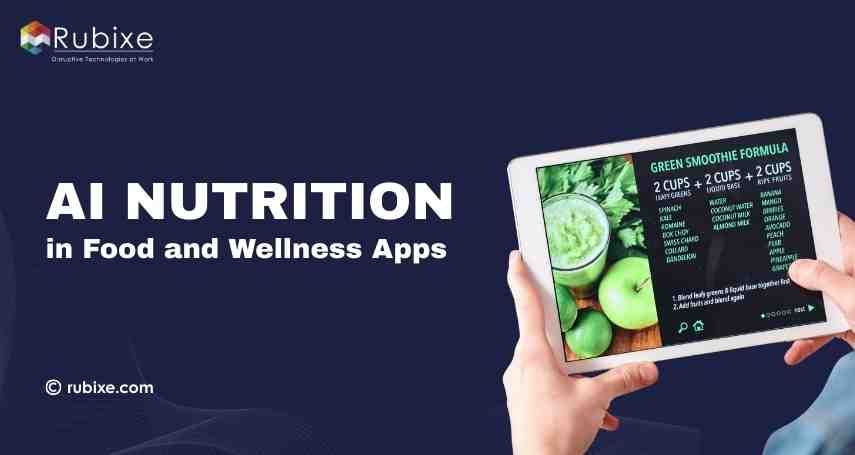
AI nutrition in food and wellness apps tracks meals, analyzes nutrients, suggests diets, supports health goals, and creates personalized plans for users.
Food and health choices affect our daily lives more than we realize. Many people want to eat better, stay fit, and avoid health problems, but they often feel confused about what to eat and how much to eat.
AI nutrition supports people in choosing the right food based on their needs
Food and wellness apps are using AI nutrition management to guide users with simple, clear, and personal food advice.
Instead of guessing diets or following general plans, people now get food guidance based on their body, habits, and goals. This change is helping millions of users make better food choices every day.
What Is AI Nutrition Management
AI nutrition management refers to the use of artificial intelligence to analyze, plan, and improve dietary habits. It works by studying data such as
-
Age
-
Weight
-
Food choices
-
Health goals
-
Activity level
-
Medical needs
Based on this data, AI gives food advice that fits each user.
Unlike normal diet plans, AI systems learn over time. If a user skips meals, eats late, or prefers certain foods, the system adjusts suggestions automatically.
This makes food planning easier and more practical for daily life.
Why Food and Wellness Apps Use AI Nutrition
Food and wellness apps want to help users stay healthy without stress. Traditional diet plans often fail because they are strict and hard to follow. AI changes this by making food advice simple and flexible.
Here are the main reasons apps use AI:
-
Users want personal food plans
-
People track their health on mobile apps
-
Manual diet planning takes time
-
Health goals differ from person to person
With AI nutrition management, apps can support many users at the same time while still giving personal guidance.
How AI Nutrition Works in Food and Wellness Apps
AI works through a series of simple and well-structured steps. These steps help food and wellness apps understand user needs and provide useful diet guidance that improves over time.
Data Collection
Food and wellness apps first collect basic user details. This includes age, height, weight, food preferences, allergies, health goals, and daily activity levels. Many apps also connect with fitness trackers or smartwatches to collect data such as steps walked, calories burned, sleep patterns, and exercise routines.
Data Analysis
After collecting data, AI systems study eating patterns, calorie intake, and nutrient balance. The system checks if the user is getting enough protein, vitamins, fiber, and other nutrients.
Smart Food Suggestions
Based on the analysis, AI provides personalized food suggestions. These include meal ideas, portion sizes, snack options, and suitable meal timings. The recommendations match the user’s goals, such as weight management, fitness improvement, or better energy levels.
Daily Tracking
Users can log their meals easily using text entry, photo uploads, or barcode scans. Some apps even recognize food items from images. AI reviews this information daily and compares it with the planned diet.
Continuous Learning
AI systems learn from user behavior over time. When users follow or ignore suggestions, the system understands what works best for them. This continuous learning helps improve accuracy, making food plans more realistic and easier to follow.
How Users Benefit from AI Nutrition Apps
Many users find AI-based food and wellness apps easier to use than traditional diet plans. Manual diet plans often feel strict and hard to follow, especially for people with busy schedules, health concerns, or fitness goals. AI nutrition apps offer simple guidance that fits into daily life.
Key Benefits for Users
-
Better Control Over Eating Habits
AI apps help users understand what and when they eat. By tracking meals and showing daily intake, users become more aware of their eating patterns. This helps reduce overeating and supports healthier food choices over time.
-
Less Confusion About Food Choices
Food labels and diet advice can be confusing. AI apps simplify this by clearly explaining which foods are good, which need balance, and how often certain items should be eaten. This makes food decisions easier, even for beginners.
-
Easy Meal Tracking
Users can log meals quickly using text, photos, or barcode scans. This saves time and removes the need for manual calorie counting. Easy tracking helps users stay consistent without feeling stressed.
-
Clear Portion Guidance
AI apps suggest portion sizes based on user goals and daily activity. This removes guesswork and helps users eat the right amount. Proper portion guidance supports better energy levels and balanced meals.
How Experts Make AI Nutrition Reliable
AI apps are carefully designed with guidance from a team of specialists, including:
-
Nutrition Experts: Define healthy eating patterns and safe dietary limits.
-
Diet Planners: Create structured meal plans and practical food routines.
-
Health Researchers: Ensure recommendations are backed by scientific studies.
-
Data Engineers: Build AI systems that analyze user data and generate smart suggestions.
By combining food science with advanced technology, AI management becomes accurate, personalized, and practical for everyday users. The system follows expert-defined rules while adjusting to each user’s unique habits, goals, and preferences.
How Trusted Brands Use AI Nutrition
Many well-known food and wellness apps already include AI features, serving millions of users around the world.
These apps use AI to:
-
Suggest Daily Meals: Provide personalized meal recommendations based on user preferences, goals, and dietary needs.
-
Track Calorie Intake: Automatically monitor calories and nutrient intake for a balanced diet.
-
Manage Weight Goals: Help users reach or maintain their weight targets with smart meal planning.
-
Support Medical Diets: Offer guidance for specific health conditions, such as diabetes, heart health, or food allergies.
The success of these apps shows that AI is not just a concept for the future -it is actively improving people’s daily eating habits today.
Why Users Feel Safe Using AI Nutrition Apps
Trust is essential when managing food and health. Reliable AI apps focus on:
-
Data Privacy: User information is securely stored and never shared without permission.
-
Clear Food Explanations: Recommendations are simple and easy to understand.
-
Simple Language: Users of all ages and backgrounds can follow guidance without confusion.
-
Safe Food Limits: AI ensures suggested meals stay within healthy limits for calories, nutrients, and special diets.
Users can see how recommendations are made and adjust their preferences anytime. This transparency builds confidence in the app.
Additionally, many apps offer access to real nutrition experts, giving users extra reassurance and support when needed.
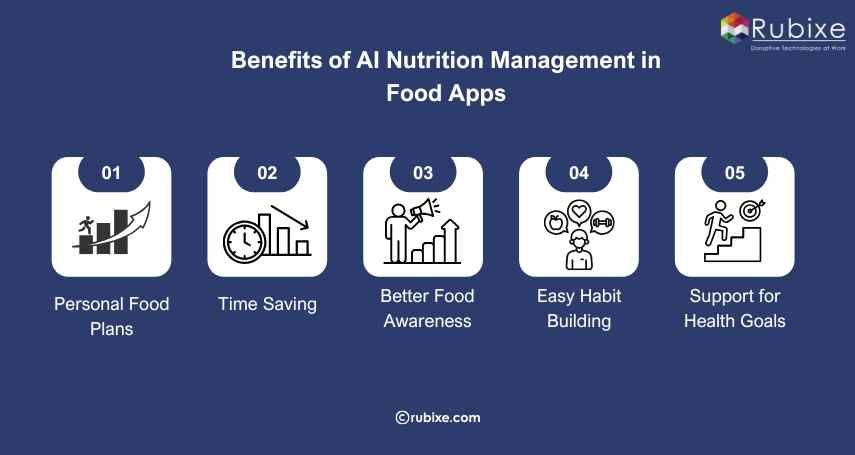
Benefits of AI Nutrition Management in Food Apps
-
Personal Food Plans
AI creates customized meal plans for each user based on their body type, health goals, activity level, and dietary preferences. Unlike generic diet plans, these are tailored to fit individual needs, making them more effective and practical. -
Time Saving
Users no longer need to manually calculate calories, track nutrients, or plan meals. AI does the work automatically, giving personalized recommendations in seconds, which saves a lot of daily effort and stress. -
Better Food Awareness
AI apps explain why certain foods are suggested and how they affect health. Over time, users learn which choices are better for energy, weight management, and overall well-being, improving their food knowledge naturally. -
Easy Habit Building
Instead of overwhelming users with strict rules, AI gives small daily tips and reminders. Gradually, these habits become part of daily life, helping users eat healthier and stay consistent without feeling restricted. -
Support for Health Goals
AI supports various goals, including weight management, fitness improvement, blood sugar balance, energy levels, and overall wellness. Users receive guidance that adapts to their progress, making it easier to stay on track and achieve results safely.
AI Nutrition for Special Health Needs
AI apps are not just for general wellness- they also help people with specific health conditions. Users with diabetes, heart problems, weight management goals, food allergies, or digestive issues can get personalized guidance.
For example:
-
People with diabetes receive meal suggestions that maintain stable blood sugar levels.
-
Those with heart concerns get low-sodium or low-fat meal recommendations.
-
Users with food allergies are automatically guided away from unsafe ingredients.
This makes AI management a useful tool for long-term health support, reducing risks and helping users stick to safe and effective diets.
Role of AI Nutrition in Wellness Apps
Wellness apps look at health as a whole, not just food. When AI integrates with other features, users gain a complete picture of their health.
Key integrations include:
-
Fitness tracking: AI checks if meals provide enough energy for workouts.
-
Sleep tracking: AI notes how meal timing affects sleep quality.
-
Stress management: AI recommends foods that support mental well-being.
For instance:
-
Eating late at night may disrupt sleep.
-
Skipping protein in meals may reduce workout performance.
-
Balanced meals with proper nutrients improve energy levels throughout the day.
By connecting food intake with activity, sleep, and stress data, AI gives simple, actionable advice that improves overall wellness.
Challenges in AI Nutrition Systems
AI systems are powerful tools for improving health and wellness, but they are not without challenges. Understanding these limitations helps users and developers make the most of AI management.
-
Data Accuracy
The effectiveness of AI depends on accurate information. If users log the wrong foods, miss meals, or incorrectly enter portion sizes, the AI may give unsuitable recommendations. For example, underreporting calories or skipping key nutrients can result in unbalanced meal suggestions. Ensuring accurate food logging, whether by text, barcode scanning, or images, is essential for reliable results.
-
User Consistency
AI apps need regular input to work properly. Users who log meals inconsistently or skip days may see less accurate guidance. Consistent tracking allows AI to detect patterns in eating habits, adjust suggestions, and provide meaningful insights. Encouraging users to make meal logging a daily habit is key to the system’s success.
-
Cultural and Regional Food Variety
Many AI systems are trained on standard or Western food databases, which can limit effectiveness in diverse regions. Recognizing local, traditional, and ethnic foods is essential for personalized nutrition. Without proper support, AI may miscalculate nutrients or suggest foods that are unfamiliar or unavailable, reducing user satisfaction and trust.
-
Learning Time and Adaptation
AI apps do not deliver perfect recommendations immediately. They need time to learn user habits, preferences, and goals. Early suggestions may feel generic until the system collects enough data. Continuous learning over weeks or months allows AI to refine plans, improve portion sizes, and suggest meals that truly fit the user’s lifestyle.
-
Integration with Other Health Data
For the most effective guidance, AI should integrate with fitness trackers, sleep monitors, and medical apps. Lack of integration can limit insights, for instance, by not adjusting meal suggestions based on activity level or sleep patterns. Proper connectivity ensures a complete health picture.
The Future of AI Nutrition in Food and Wellness
The future of AI in food and wellness apps is promising and full of innovations. As technology continues to improve, AI management will become smarter, more personalized, and easier for users to adopt in their daily lives.
-
Voice-Based Meal Logging: Soon, users will be able to log meals simply by speaking. Instead of manually entering foods, AI will recognize spoken inputs, making meal tracking faster and more convenient. This feature is especially helpful for people with busy schedules or those who are on the go.
-
Image-Based Food Tracking: AI will be able to identify foods from photos. Users can simply take a picture of their meal, and the system will analyze its contents, calculate calories, and estimate nutrients. This reduces manual logging and improves the accuracy of dietary tracking.
-
Local and Cultural Food Recognition: Future AI systems will better understand regional cuisines, traditional meals, and ethnic foods. This ensures nutrition advice is relevant and culturally appropriate, making AI management more useful for people worldwide.
-
Better Medical Support: Integration with healthcare and medical apps will allow AI to support users with special health conditions such as diabetes, heart problems, or food allergies. AI will offer diet recommendations that align with medical advice, providing safer and more personalized guidance.
-
Real-Time Meal Advice: AI will provide instant feedback and recommendations based on users’ activity levels, sleep patterns, and overall health data. For example, if a user exercises more than usual, AI can suggest extra protein, or if they have a busy day ahead, it can recommend energy-boosting meals.
AI nutrition is changing how people manage food and health. Food and wellness apps use AI to give clear, personal, and practical food guidance. Instead of strict rules, users get flexible support that fits their daily life.
With expert-backed systems, trusted app platforms, and user-friendly design, AI nutrition management is helping people eat better without confusion. As technology grows, AI nutrition will play a bigger role in making healthy living simple, affordable, and accessible for everyone.