



AI Cybersecurity That Reduces Alert Fatigue in SOCs
AI cybersecurity reduces SOC alert fatigue with smarter detection, automated triage, and faster incident response to improve security team efficiency.
Security Operations Centers (SOCs) are under more pressure than ever. Every day, analysts face thousands of alerts from firewalls, SIEM tools, endpoints, and cloud platforms. Most of these alerts are repetitive, low-risk, or false positives. This overwhelming volume leads to alert fatigue, slower response times, and increased risk of missing real threats.
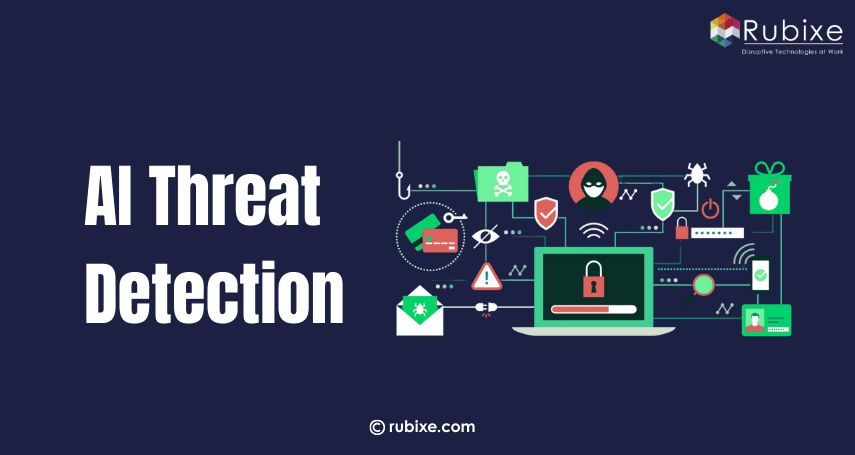
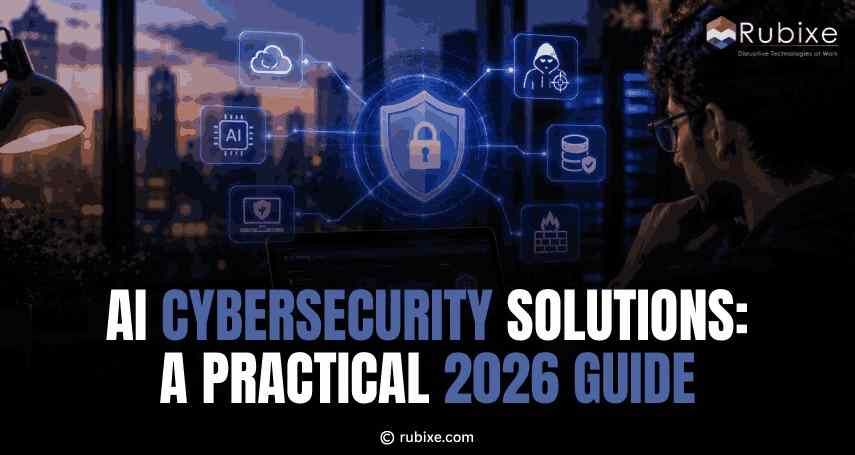
AI cybersecurity brings a smarter approach to protecting organizations. With intelligent automation, machine learning, and behavioral analysis, SOC teams can eliminate noise, focus on what truly matters, and respond to incidents faster and with greater accuracy.
What Is Alert Fatigue in Security Operations Centers?
Alert fatigue happens when security teams are overwhelmed by a nonstop flow of security alerts that exceeds their ability to review and respond effectively. When analysts are required to handle hundreds or even thousands of alerts daily, it compromises the overall security posture of the organization.
This overload leads to several serious issues:
-
Real threats get buried in noise: High volumes of low-quality alerts make it easy for genuine attacks to go unnoticed.
-
Analysts become desensitized: Constant exposure to alerts reduces attention and urgency over time.
-
Slower incident response: Teams take longer to investigate and act on critical threats.
-
Higher burnout levels: Continuous pressure and workload exhaustion affect performance and retention.
-
Widening security gaps: Missed alerts and delayed actions create vulnerabilities across systems.
Why Traditional Security Tools Struggle
Most legacy security tools depend on static rules, predefined signatures, and fixed thresholds. While these methods were effective in the past, they struggle to keep up with modern, fast-moving attack environments. Because they lack real context and adaptability, they often generate excessive and low-quality alerts.
Key limitations of traditional security tools include:
-
Inability to understand user behavior: They cannot distinguish between normal user activity and suspicious behavior based on context.
-
No learning from past incidents: These systems do not improve over time or adapt to new attack patterns.
-
Poor correlation across systems: Alerts from different tools remain isolated, making it difficult to see the full picture of the attack.
-
High false-positive rates: Large volumes of harmless alerts overwhelm security teams and hide real threats.
-
Manual investigation overhead: Analysts must spend significant time manually reviewing and validating alerts.
As cyberattacks increase in both volume and sophistication, SOCs that rely only on traditional tools and manual processes become increasingly vulnerable. AI cybersecurity delivers the adaptive intelligence needed to detect, prioritize, and respond to modern threats effectively.
How AI Cybersecurity Reduces Alert Fatigue
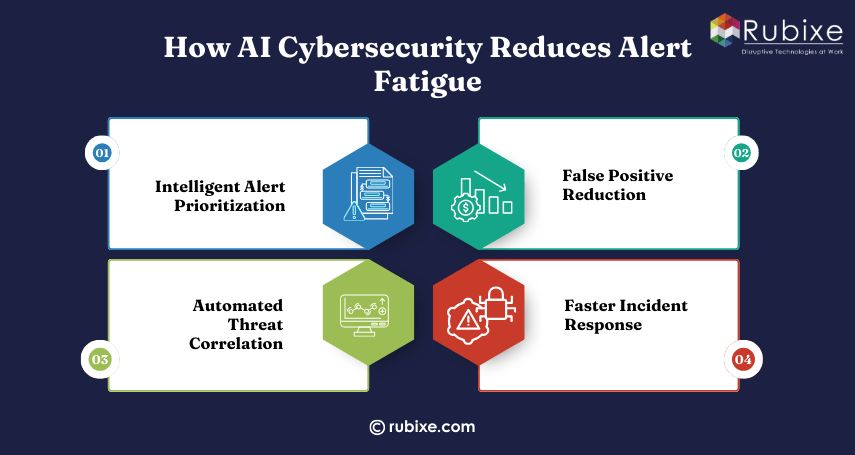
The biggest advantage of AI cybersecurity lies in its ability to filter, prioritize, and automate security operations at scale. Here’s how it works in real SOC environments:
1. Intelligent Alert Prioritization
AI models analyze alert context, behavior patterns, and historical data to classify alerts based on real risk. Low-impact alerts are deprioritized, while high-risk threats are escalated instantly.
2. False Positive Reduction
By learning normal user and system behavior, AI cybersecurity accurately distinguishes between legitimate activity and real attacks. This dramatically cuts false positives.
3. Automated Threat Correlation
AI correlates multiple weak signals across networks, devices, and cloud systems to surface hidden attack chains that humans might miss.
4. Faster Incident Response
AI-driven workflows automate containment steps such as isolating compromised devices, blocking IPs, or disabling suspicious accounts.
The result is a lighter alert load, faster response times, and higher detection accuracy inside SOCs.
Impact of AI Cybersecurity on SOC Performance
AI-driven cybersecurity delivers a transformative impact on Security Operations Centers (SOCs), enhancing efficiency and accuracy across key performance metrics. Organizations leveraging AI tools report a 40–80% reduction in false positives, allowing teams to spend less time filtering noise and more time on real threats. With faster Mean Time to Detect (MTTD) and Mean Time to Respond (MTTR), SOCs can mitigate incidents before they escalate.
AI automation improves analyst productivity, reduces operational costs, and strengthens overall threat visibility. Instead of drowning in endless alerts, SOC analysts can shift their focus toward high-priority investigations and proactive defense strategies, ultimately elevating the organization’s security posture.
Key Use Cases of AI Cybersecurity in SOCs
AI cybersecurity plays a critical role in strengthening Security Operations Centers by improving detection accuracy, speeding up response, and reducing the manual burden on analysts. Below are some of the most impactful use cases of AI in SOC environments:
1. Behavioral Anomaly Detection
AI models continuously monitor user, network, and application behavior to establish normal activity patterns. When unusual behavior appears, such as abnormal access or data movement, the system flags it as a potential insider threat or advanced attack.
2. Phishing and Email Threat Detection
AI analyzes email content, sender behavior, domain reputation, and user interaction patterns to identify phishing attempts. It blocks malicious emails before users can click on harmful links or download infected files.
3. Endpoint Threat Monitoring
AI tracks real-time activity across endpoints such as laptops, servers, and mobile devices. It detects malware, ransomware, and zero-day attacks by identifying abnormal system behavior rather than relying only on known signatures.
4. Cloud Security Monitoring
As cloud usage increases, AI cybersecurity provides real-time visibility across cloud workloads, applications, and APIs. It performs continuous risk assessments, detects misconfigurations, and flags suspicious activity automatically.
Business Risks of SOC Alert Fatigue
Alert fatigue doesn’t just affect security teams—it directly impacts business outcomes:
-
Delayed breach detection can cause massive financial losses
-
Regulatory penalties and compliance failures increase
-
Customer trust erodes after cyber incidents
-
Brand reputation is permanently damaged
-
Incident recovery costs escalate
Organizations that delay AI adoption risk falling behind attackers who are already using automation and AI to launch faster, smarter attacks. AI cybersecurity is no longer optional—it is a competitive necessity.
How AI Cybersecurity Improves Analyst Well-Being
Burnout is one of the biggest challenges facing SOC teams today. Long shifts, constant pressure, and nonstop alert volumes lead to high stress, attrition, and skill shortages. AI cybersecurity helps relieve this burden by reducing manual work and improving how analysts spend their time.
Here’s how it improves analyst well-being:
-
Lowers cognitive overload: AI filters noise and prioritizes real threats so analysts are not overwhelmed by low-value alerts.
-
Improves job satisfaction: Analysts focus on meaningful investigations instead of repetitive triage work.
-
Enables skill-based work: Teams spend more time on threat hunting, strategy, and high-impact security tasks.
-
Reduces stress and fatigue: Fewer false alerts and faster investigations lead to healthier workloads.
-
Helps retain top security talent: Better work conditions reduce burnout and improve long-term team stability.
A healthier SOC team is a stronger SOC team, and AI cybersecurity plays a direct role in making that possible.
Features of a Powerful SOC Alert Fatigue Solution
When deploying AI cybersecurity for alert fatigue reduction, organizations should prioritize:
-
Real-time behavioral analytics
-
Explainable AI for transparency
-
Automated playbooks and response actions
-
Integration with SIEM, SOAR, EDR, and cloud platforms
-
Continuous learning and model adaptation
-
Low false-positive tuning capabilities
Future of SOCs with AI Cybersecurity
The modern SOC is rapidly evolving into a human-AI collaborative environment. Instead of analysts reacting to endless alerts, AI cybersecurity will:
-
Predict threats before damage occurs
-
Automatically neutralize low-level attacks
-
Surface only high-impact risks
-
Provide guided investigation insights
-
Enable proactive, threat-hunting operations.
We support both growing enterprises and large organizations by implementing AI-driven security solutions that protect revenue, reputation, compliance, and customer trust. Partner with Rubixe to strengthen your security operations, increase resilience, and stay ahead of evolving threats.